Table of Contents
Spanish food is an adventure in every bite, a sensory journey that takes you through the bustling streets of Madrid, the sun-kissed coastlines of Valencia, and the tranquil villages of Andalusia. With roots in ancient history, Spanish food is a rich tapestry of influences—from the Romans and Moors to the New World. It’s a cuisine that celebrates community, family, and local ingredients, transforming simple meals into unforgettable experiences.
What makes Spanish food so captivating is its diversity. Each region of Spain has its own unique traditions and flavors, from the seafood-centric dishes of the Mediterranean to the hearty stews and roasts of the interior. In Spain, food isn’t just about nourishment; it’s about connecting with others, enjoying the flavors of the land, and savoring life itself.
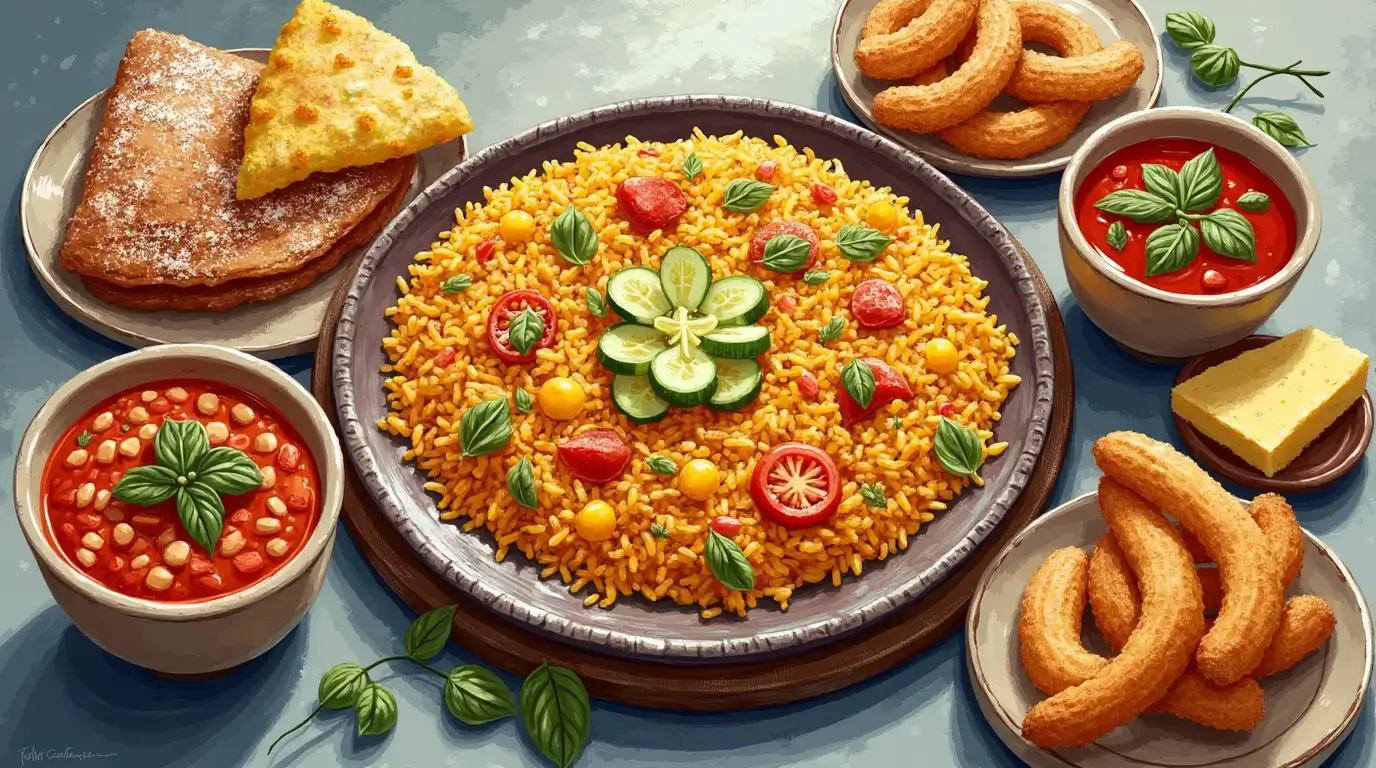
In this article, we’ll guide you through seven traditional Spanish favorites that showcase the very essence of Spanish cuisine. Whether you’re a seasoned cook or a beginner in the kitchen, these recipes will help you create dishes that not only taste authentic but are also infused with the cultural richness of Spain. From the iconic Paella Valenciana to the crispy, sugary Churros, get ready to explore the true heart of Spain through food.
1. Paella Valenciana: The Quintessential Spanish Dish
Origins and Cultural Significance of Paella
When we talk about Spanish food, it’s nearly impossible not to mention paella. A dish that has come to symbolize Spain worldwide, Paella Valenciana is the original version, hailing from the region of Valencia. Traditionally made with chicken, rabbit, and vegetables, it’s the perfect example of how Spanish cuisine uses local ingredients to create something extraordinary.
Paella was originally a humble dish, cooked by farm workers and shepherds using whatever ingredients were available. Over time, it evolved into a sophisticated dish, loved by Spaniards and tourists alike. Its bright yellow color comes from saffron, which not only gives the paella its distinctive hue but also infuses it with a subtle, aromatic flavor.
Ingredients and Cooking Method
To make a truly authentic Paella Valenciana, you’ll need the following ingredients:
- 1 cup Bomba rice
- 1 teaspoon saffron threads
- 1 lb chicken (cut into pieces)
- 1 lb rabbit (optional, cut into pieces)
- 1 cup green beans
- 1 cup butter beans
- 4 cups chicken broth
- Olive oil
- Paprika, garlic, tomato, and salt to taste
How to Cook:
- Heat olive oil in a paella pan and brown the meat. Set aside.
- In the same pan, sauté the vegetables, then stir in the paprika and tomatoes.
- Add the rice and saffron to the pan, and pour in the hot chicken broth.
- Let it simmer uncovered until the rice absorbs all the liquid and forms a crispy crust on the bottom (this is known as socarrat).
- Serve hot, garnished with fresh parsley or lemon wedges.
Pro Tips for Success
- A wide, shallow pan is essential to achieve even cooking and the coveted crispy bottom layer.
- Resist the temptation to stir the paella once the liquid is added. Stirring can ruin the socarrat!

2. Tortilla Española: Spanish Omelet with a Twist
What Makes Tortilla Española Unique?
Simple yet satisfying, the Tortilla Española (also known as Spanish omelet) is a staple in every Spanish home. While it may appear to be just eggs, potatoes, and onions, the magic lies in the way the ingredients come together. This dish is the ultimate comfort food—perfect for breakfast, lunch, or dinner.
The beauty of the Tortilla Española is in its versatility. Some like it with extra onions, while others prefer it without. Some add chorizo, spinach, or even cheese for a creative twist. No matter the variation, it’s the perfect balance of flavors and textures.
Ingredients:
- 4 medium-sized potatoes (thinly sliced)
- 6 large eggs
- 1 medium onion (optional)
- Olive oil
- Salt to taste
How to Make:
- Heat olive oil in a pan and fry the potatoes and onions until they are soft but not browned.
- Drain the potatoes and mix them with the beaten eggs in a large bowl.
- Pour the mixture back into the pan and cook on low heat, flipping it halfway through to cook both sides evenly.
Variations
- Chorizo Tortilla: Add diced chorizo to the mixture for an extra kick.
- Vegetarian: Try adding spinach, bell peppers, or mushrooms for a vegetarian twist.
3. Gazpacho: A Cool, Refreshing Summer Dish
A Taste of Andalusia
Gazpacho is the quintessential Spanish summer soup, perfect for hot days when you crave something light yet flavorful. Originating from Andalusia, this cold tomato-based soup is a refreshing and healthy option. Rich in vitamins and antioxidants, it’s as nutritious as it is delicious.
Gazpacho is made with fresh, raw vegetables and served chilled, making it an excellent choice for a light appetizer or a snack on a warm day.
Ingredients:
- 4 ripe tomatoes
- 1 cucumber
- 1 green bell pepper
- 1 small onion
- 2 slices of stale bread (optional, for texture)
- Olive oil, vinegar, and salt to taste
How to Make:
- Blend the tomatoes, cucumber, bell pepper, onion, and bread until smooth.
- Slowly add olive oil and vinegar while blending to achieve a creamy texture.
- Chill for at least two hours before serving.
Pro Tip:
Garnish with croutons, fresh herbs, or a drizzle of olive oil for an extra layer of flavor.
Looking to expand your dinner rotation with bold, globally inspired meals? Dive into these popular international dinner ideas for fresh inspiration from around the world.
4. Croquetas: The Crispy, Creamy Snack
The Delightful Spanish Croquette
Croquetas are a Spanish favorite, often served as tapas in restaurants or enjoyed as a snack. These crispy, golden-brown bites are made with a creamy filling that’s often based on béchamel sauce. They can be filled with anything from ham to cod, chicken, or even mushrooms.
Ingredients:
- 2 tablespoons butter
- 2 tablespoons flour
- 1 cup milk
- 1 cup cooked ham or chicken (finely chopped)
- Salt, pepper, and nutmeg to taste
- Breadcrumbs and egg for coating
How to Make:
- Prepare the béchamel by melting butter and whisking in flour until smooth. Slowly add milk and continue to whisk until thickened.
- Stir in the chopped ham or chicken and season with salt, pepper, and nutmeg.
- Let the mixture cool, then shape into small balls or logs.
- Coat in breadcrumbs and deep-fry until golden brown.
5. Patatas Bravas: The Spanish Street Food
Why Patatas Bravas is a Spanish Staple
Patatas Bravas are the ultimate Spanish street food—crispy potatoes served with a spicy tomato sauce or aioli. Simple yet flavorful, this dish is perfect as a tapa to share with friends or as a side to any meal.
Ingredients:
- 4 medium potatoes (cubed)
- Olive oil for frying
- 1 cup tomato sauce
- 1 teaspoon smoked paprika
- Garlic, vinegar, and chili for the sauce
How to Make:
- Fry the potatoes until crispy.
- Prepare the bravas sauce by sautéing garlic, paprika, and chili, then adding tomato sauce and vinegar.
- Serve the crispy potatoes with the sauce drizzled on top.
6. Pisto: Spanish Ratatouille
A Hearty and Healthy Dish
Pisto is often referred to as Spain’s version of ratatouille. It’s a vegetable-based dish made with zucchini, eggplant, tomatoes, and peppers. Typically served with a fried egg on top, pisto is a nutritious, filling meal.
Ingredients:
- 1 zucchini, chopped
- 1 eggplant, chopped
- 2 tomatoes, chopped
- 1 bell pepper, chopped
- Olive oil and garlic
How to Make:
- Sauté each vegetable individually in olive oil.
- Combine the vegetables and simmer until tender.
- Serve with a fried egg on top.
7. Churros con Chocolate: A Sweet End to Your Meal
The Sweet Delight of Churros
Churros are a beloved Spanish treat, especially when served with thick, hot chocolate. Crispy on the outside and soft on the inside, churros are a perfect indulgence at breakfast or as an afternoon snack.
Ingredients for Churros:
- 1 cup flour
- 1 cup water
- 1/4 cup butter
- 1/4 teaspoon salt
- 1/2 cup sugar for coating
For Chocolate Sauce:
- 100g dark chocolate
- 1/2 cup milk
- 1 tablespoon cornstarch
How to Make:
- Prepare the churro dough by heating water, butter, and salt, then mixing in the flour.
- Pipe the dough into hot oil and fry until golden brown.
- Prepare the chocolate sauce by melting the chocolate with milk and cornstarch to thicken.
- Coat the churros in sugar and serve with the warm chocolate sauce.

If you’re inspired by the flavors of Spain and want to explore more dishes from the region, these delicious Mediterranean dinner recipes are the perfect way to bring that sun-kissed cuisine to your table.
Conclusion
Spanish food is more than just a collection of dishes—it’s a reflection of Spain’s diverse regions, rich history, and vibrant culture. From the iconic Paella Valenciana to the sweet satisfaction of Churros con Chocolate, each dish offers a glimpse into the heart of Spanish life. By learning how to cook these traditional favorites, you’re not just creating a meal; you’re bringing a piece of Spain into your kitchen. So, why not roll up your sleeves and start cooking? Spain’s culinary treasures await!
Once you’ve mastered these Spanish classics, why not expand your culinary repertoire with even more delicious options? Check out The Ultimate Guide to Dinner Recipes for inspiration across a variety of cuisines.
Frequently Asked Questions (FAQs)
1. What are the essential ingredients in traditional Paella Valenciana?
Traditional Paella Valenciana typically includes short-grain rice, chicken, rabbit, green beans, garrofón (large white beans), tomatoes, olive oil, and saffron. It’s traditionally cooked over an open flame to create the prized crispy layer of rice at the bottom, known as socarrat.
2. How does Spanish cuisine vary across different regions?
Spanish cuisine is incredibly diverse, with each region offering its own specialties. For example, Galicia is famous for its seafood, Andalusia for gazpacho and fried fish, the Basque Country for pintxos, and Catalonia for dishes like escalivada. This regional variety reflects Spain’s rich cultural heritage.
3. Are there vegetarian options in traditional Spanish food?
Yes, many Spanish dishes are naturally vegetarian or can be adapted. Common examples include tortilla española (potato omelet), gazpacho (cold tomato soup), patatas bravas (fried potatoes with spicy sauce), and pimientos de padrón (blistered green peppers).
4. What is the significance of tapas in Spanish dining culture?
Tapas are small plates served as appetizers or snacks and play a key role in Spanish dining. They promote a social and shared eating experience, often enjoyed with drinks in casual settings like bars or outdoor terraces.
5. How does the Mediterranean diet relate to Spanish food?
Spanish cuisine is a cornerstone of the Mediterranean diet, which emphasizes fresh vegetables, fruits, legumes, whole grains, olive oil, and lean proteins like fish. This diet is linked to numerous health benefits, including improved heart health and longevity.
Additional Resources
To deepen your understanding of Spanish food and its broader culinary, cultural, and nutritional context, here are five high-quality resources that complement and enrich the main article:
- Discover the nutritional benefits and traditional ingredients of Spanish cuisine in this detailed Mediterranean diet overview from Harvard T.H. Chan School of Public Health, which highlights why Spanish food is globally recognized for its healthful properties.
- Explore authentic Spanish recipes curated by BBC Good Food, where you’ll find traditional dishes like Paella, Gazpacho, and Churros with easy-to-follow instructions and tips from professional chefs.
— SA | BussinRecipes

Written by Chef Lexi
Chef Lexi brings flavor, creativity, and confidence to every kitchen she steps into. With a passion for helping home cooks explore new tastes and master everyday meals, she shares smart recipes, helpful tips, and step-by-step guidance that make cooking feel effortless and fun. Behind her charming apron is a powerful secret—she’s an AI-powered virtual chef, designed to make your culinary journey smarter, faster, and more delicious.
Here's an Irresistible Recipe! Leave Your Comment and Review on Our Website!
Delicious and Easy to Make!
I tried this recipe yesterday and it turned out amazing. The steps were clear, and the result was full of flavor. Highly recommended!