
Introduction
Did you know that a traditional Spanish breakfast is often lighter than what many of us are used to—but packs a punch in flavor and tradition? In Spain, mornings start gently, often with a simple yet satisfying meal that reflects the country’s love for fresh, high-quality ingredients and relaxed living.
Rather than filling up on heavy or overly sweet dishes, the typical Spanish breakfast embraces balance, emphasizing regional products like ripe tomatoes, crusty bread, rich olive oil, and bold coffee. While breakfast might be quick, it’s never rushed. Whether eaten at home or enjoyed at a neighborhood café, it’s a ritual that reflects Spain’s cultural rhythm—slow, social, and delicious.
What makes the Spanish breakfast especially unique is its regional diversity. From the olive oil-drenched toasts of Andalusia to the crisp churros of Madrid and the garlic-rubbed tomato bread of Catalonia, each area offers its own twist on morning fare. This diversity shows how food and culture go hand-in-hand in Spain, even at the earliest meal of the day.
Table of Contents
In this article, you’ll discover the key secrets to making your own Spanish breakfast feel truly authentic. We’ll dive into its cultural roots, explore five must-try dishes, guide you on how to recreate them at home, and help you choose the perfect drinks to pair with your meal. Whether you’re just curious or ready to transform your morning routine, you’re about to experience breakfast like never before—Spanish style.
What Makes Spanish Breakfast Unique
A Spanish breakfast is more than just the first meal of the day—it’s a cultural snapshot of how Spaniards live, eat, and connect. Unlike the fast-paced breakfasts found in many parts of the world, the Spanish approach is unhurried, often minimalist, and deeply rooted in local traditions.
The Philosophy of Simplicity in Spanish Breakfasts
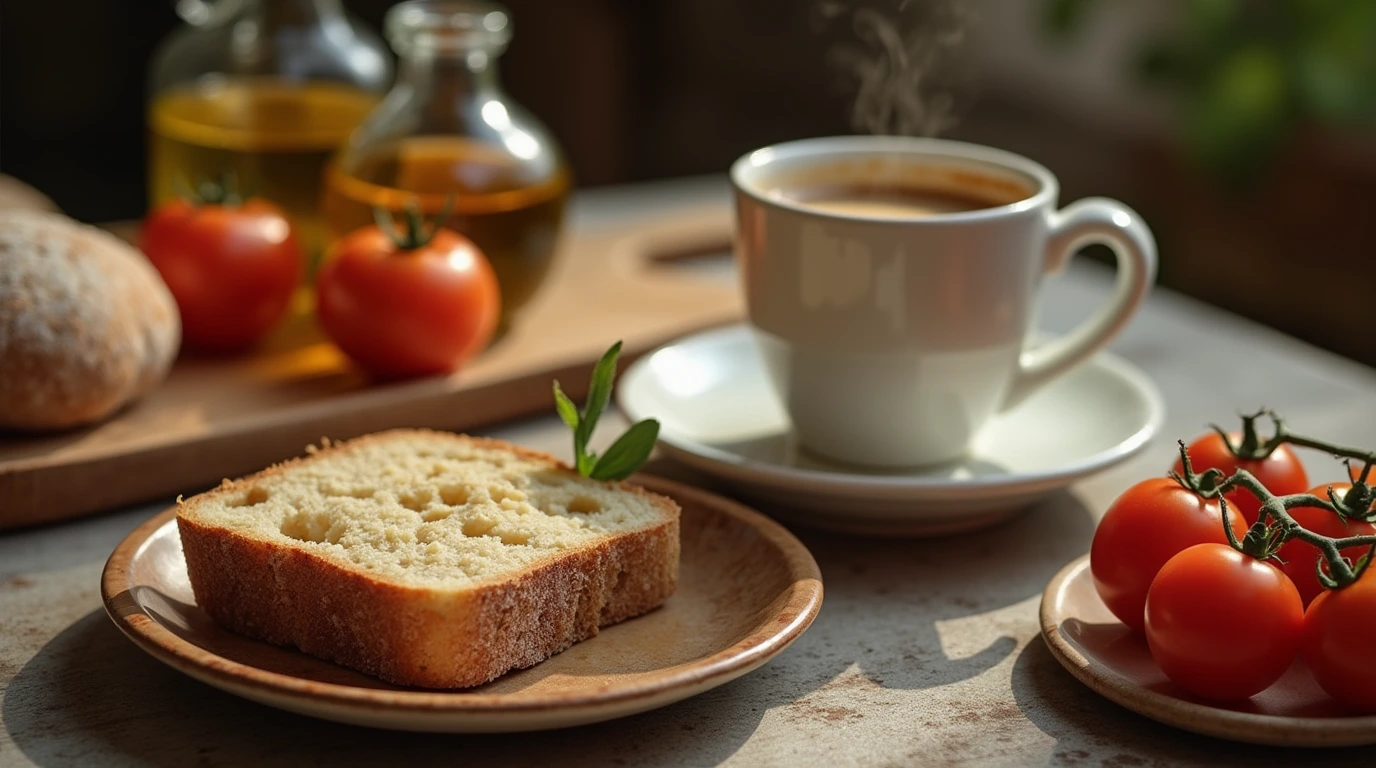
One of the most defining characteristics of a Spanish breakfast is its simplicity. There’s no rush to prepare complicated meals. Instead, Spaniards prefer just a few fresh, high-quality ingredients—like crusty bread, olive oil, and tomatoes—to start their day.
This minimalist mindset is intentional. It reflects the Spanish value of enjoying life’s small pleasures: a few bites of toast with rich, flavorful toppings, paired with a warm cup of café con leche. This doesn’t just nourish the body—it sets the tone for a balanced, pleasurable day.
In many Spanish households, breakfast is seen as a peaceful moment, often enjoyed in silence or accompanied by light conversation, never with a screen or in a hurry. The goal isn’t just to eat, but to savor.
Regional Influences on Breakfast Traditions
While the essence of a Spanish breakfast remains consistent across the country—light, flavorful, and fresh—regional variations bring delightful diversity to the table.
- Andalusia is famous for its tostada con tomate y jamón, where toasted bread meets grated tomato, olive oil, and sometimes a slice of cured ham.
- In Catalonia, breakfast might include pa amb tomàquet, where garlic-rubbed bread is topped with tomato pulp and a drizzle of oil.
- In Madrid, it’s not unusual to indulge in churros con chocolate, a sweet treat perfect for dipping into thick, rich chocolate.
These regional touches don’t just reflect local ingredients—they reveal how deeply the Spanish breakfast is tied to regional pride and culinary tradition.
Whether enjoyed in a bustling café in Barcelona or a quiet kitchen in Seville, breakfast in Spain is a celebration of simplicity, culture, and flavor—all in just a few bites.
Top 5 Must-Try Spanish Breakfast Dishes
Exploring the heart of any Spanish breakfast means getting to know the iconic dishes that locals enjoy day after day. These five favorites aren’t just delicious—they each tell a story about Spain’s regions, traditions, and culinary values. Whether you’re making them at home or ordering from a café menu in Spain, these dishes capture the essence of an authentic morning in Spain.
1. Tostada con Tomate y Jamón: A Quintessential Andalusian Delight
This dish defines the Spanish breakfast experience in southern Spain. A slice of crusty toast is topped with grated fresh tomato, drizzled with extra virgin olive oil, and often finished with a layer of jamón serrano or jamón ibérico.
Preparation Tip: Use ripe tomatoes and lightly toasted rustic bread. Want to learn how to make tostada con tomate at home? Rub garlic on the toast for added depth before adding tomato.
2. Churros con Chocolate: Madrid’s Sweet Indulgence
No morning in Madrid is complete without churros dipped in thick, rich chocolate. This treat is more common as a weekend indulgence or a cozy café stop than an everyday breakfast, but it’s deeply woven into Spanish food culture.
Preparation Tip: The best churros recipe includes piping the dough into hot oil until golden and serving immediately with a thick, unsweetened chocolate sauce for dipping.
3. Pa amb Tomàquet: Catalonia’s Tomato Bread
Often served with cheese, ham, or anchovies, this Catalonian favorite starts with toasted bread rubbed with garlic and ripe tomato, followed by a drizzle of olive oil. It’s one of the simplest yet most flavorful components of a Spanish breakfast.
Serving Suggestion: For authenticity, use pan de cristal or airy ciabatta-style bread. The tomatoes should be super ripe and juicy.
4. Tortilla Española: The Iconic Spanish Omelet
Though heavier than the typical light Spanish breakfast, tortilla española is a beloved classic. Made with eggs, potatoes, and sometimes onions, it’s a versatile dish served hot or cold.
Quick Tip: For an easy tortilla española, precook thin-sliced potatoes in olive oil before folding them into the beaten eggs and cooking slowly in a pan.
5. Bocadillos: Versatile Spanish Sandwiches
These compact baguette-style sandwiches can be filled with anything from chorizo to tortilla, tuna, or cheese. They’re perfect for a portable breakfast or mid-morning snack.
Pro Tip: Try a bocadillo de tortilla for a two-in-one classic: sandwich meets omelet in true Spanish breakfast fashion.

How to Recreate an Authentic Spanish Breakfast at Home
Bringing the flavors of a Spanish breakfast to your kitchen is easier than you might think. With a few simple ingredients and a little know-how, you can transform your mornings into a Spanish-style celebration. Here’s a guide to making your breakfast feel just like the ones served at cafés across Spain.
Essential Ingredients for Authenticity
To start, stock up on these key ingredients, which are the foundation of many Spanish breakfast favorites:
- Extra virgin olive oil: A staple in almost every dish, from toast to tomatoes.
- Crusty bread: Choose rustic or sourdough bread for your toasts and sandwiches.
- Ripe tomatoes: Ideal for making fresh tomato toppings like the ones found in tostada con tomate or pa amb tomàquet.
- Jamón serrano or jamón ibérico: If you’re after a true Spanish experience, the cured ham is an essential topping.
- Eggs and potatoes: For making the famous tortilla española.
- Churro dough ingredients: Flour, salt, and water are the basic components for this sweet treat.
- Fresh oranges: For making zumo de naranja natural (fresh orange juice), a popular drink to pair with your meal.
Step-by-Step Guide to Preparing a Traditional Spanish Breakfast
Recreating an authentic Spanish breakfast can be as easy as following these simple steps:
- Start with a warm drink: Brew a cup of café con leche, combining strong coffee with steamed milk.
- Prepare your bread: Toast slices of crusty bread and drizzle with extra virgin olive oil, then top with grated tomato and a pinch of salt for a tostada con tomate.
- Make the tortilla española: Cook thinly sliced potatoes and onions in olive oil. Once softened, mix them with beaten eggs and cook slowly to form the perfect omelet.
- Fry churros: If you’re feeling indulgent, prepare churros con chocolate. Pipe the dough into hot oil until golden, then serve with thick chocolate sauce.
- Serve with fresh juice: Squeeze a few fresh oranges to make a glass of zumo de naranja natural, completing your Spanish breakfast.
Dietary Substitutions for an Inclusive Spanish Breakfast
If you follow a special diet, you can still enjoy a delicious Spanish breakfast with a few simple swaps:
- Gluten-free: Use gluten-free bread or even rice cakes for your tostada or bocadillos.
- Dairy-free: Swap regular milk in café con leche for almond or oat milk.
- Vegan: For a plant-based twist, skip the jamón and opt for vegan cheese or avocado. Vegan churros can also be made using non-dairy butter.
By focusing on fresh, high-quality ingredients, you’ll be able to recreate the true essence of a Spanish breakfast at home.
Pairing Drinks with Your Spanish Breakfast
The perfect Spanish breakfast isn’t just about the food—it’s also about the drinks that accompany it. In Spain, breakfast beverages are just as iconic and are often carefully chosen to complement the flavors of the morning meal. Whether you prefer coffee, juice, or something a bit sweeter, here are some traditional Spanish drinks you should consider pairing with your breakfast.
Café con Leche: Spain’s Coffee Culture
No Spanish breakfast is complete without a cup of café con leche, a staple in Spanish cafes and homes alike. This strong coffee, mixed with equal parts steamed milk, provides the perfect balance of rich flavor and smooth texture. It’s a comforting, energizing drink that pairs wonderfully with everything from tostada con tomate to churros.
Tip: To get the best flavor, use freshly ground coffee beans. The beans should be medium or dark roasted for the bold, intense coffee flavor that defines this drink. If you’re new to making café con leche, consider investing in a moka pot for an authentic, espresso-style brew.
Fresh Orange Juice: A Morning Staple
In Spain, fresh orange juice, or zumo de naranja natural, is a must-have with breakfast. Spain is one of the largest producers of oranges, so the fruit is often at its peak during breakfast time. Freshly squeezed juice is vibrant, sweet, and full of vitamin C, making it a refreshing complement to the richness of a Spanish breakfast.
Serving Tip: To bring out the natural sweetness of oranges, make sure to use ripe, juicy ones. Squeeze the oranges just before serving to ensure the juice is fresh and full of flavor.
Other Popular Drinks to Consider
While café con leche and fresh orange juice are the quintessential Spanish breakfast beverages, there are other traditional drinks that pair well with Spanish mornings:
- Café solo: A simple, black espresso for those who prefer a stronger coffee flavor.
- Leche Merengada: A sweet, cold drink made with milk, sugar, cinnamon, and lemon—perfect for summer mornings.
- Té: Tea is another popular choice for a light breakfast. In Spain, it’s often served with pastries or toast.
Pairing your Spanish breakfast with the right beverage enhances the entire meal, making it more authentic and enjoyable.
Healthy eating doesn’t have to be boring. These flavorful breakfast ideas make nutritious eating exciting. Don’t miss out on! Find out more here.
FAQs About Spanish Breakfast
When exploring the world of Spanish breakfast, there are often a few common questions that come up. In this section, we’ll address some of the most frequently asked questions to clear up any confusion and help you fully enjoy this delightful part of Spanish culture.
What time do Spaniards eat breakfast?
In Spain, breakfast typically happens early in the morning, but it’s often much lighter compared to other cultures. Spaniards usually eat between 7:30 AM and 9:00 AM, and the meal often consists of a tostada with tomato or a small coffee and pastry. It’s a quick, simple affair meant to get the day started, without the heavy meal many might expect for breakfast in other countries.
Why is Spanish breakfast lighter than other cuisines?
A Spanish breakfast is lighter compared to other cultures because the focus is on quality ingredients rather than quantity. Spaniards believe in starting the day with something fresh, simple, and flavorful—usually with a cup of coffee or fresh juice and a small toast or pastry. It’s all about enjoying quality over quantity and making time for a relaxed start to the day.
Can I make a vegan or gluten-free Spanish breakfast?
Absolutely! Many traditional Spanish breakfast dishes can be adapted to suit different dietary needs. For a vegan version of tostada con tomate, simply skip the jamón or any animal-based toppings, and use plant-based milk for your café con leche. You can also substitute gluten-free bread to make dishes like tostada and pa amb tomàquet suitable for those with gluten sensitivities.
With a few simple substitutions, you can enjoy an authentic Spanish breakfast no matter your dietary preferences.
Bonus Download Section
Ready to bring your Spanish breakfast experience to the next level? We’ve created a handy, free downloadable meal planner to help you organize your own authentic Spanish breakfasts for the week. Whether you’re planning for just one meal or a full week of Spanish breakfast delights, this planner will make it easier for you to recreate the delicious and simple flavors of Spain at home.
Plan Your Spanish Breakfast Week
Our Spanish breakfast meal planner includes space to jot down recipes, ingredients, and preparation notes for each day. You’ll find:
- Traditional Spanish breakfast recipes like tostada con tomate and churros con chocolate.
- Ingredient lists to make shopping easy and affordable.
- A weekly schedule to help you organize your meals and make sure you’re getting a balanced, flavorful start to each day.
How to Use the Meal Planner
- Download: Click on the link to download your free meal planner.
- Plan Your Meals: Choose from a variety of traditional Spanish breakfast dishes. Fill in the recipe sections and ingredient lists.
- Prep and Enjoy: Use the meal planner to prep in advance and enjoy an authentic Spanish breakfast every morning of the week.
This downloadable resource is designed to make your mornings easier while allowing you to fully embrace the beauty of a Spanish breakfast in your own home.
On hectic mornings, it’s crucial to have easy, nutritious meals. The ultimate guide offers quick, protein-packed breakfast ideas that keep you fueled throughout the day. Discover the full range of recipes here.
Conclusion
In conclusion, the charm of a Spanish breakfast lies in its simplicity, freshness, and rich regional variety. From the vibrant tostada con tomate to the indulgent churros with thick chocolate, each dish provides a glimpse into the heart of Spain’s culinary culture. With just a few key ingredients and a little bit of know-how, you can recreate this delightful morning tradition at home, enjoying the flavors that have made Spanish breakfast famous worldwide.
Ready to Try Your Own Spanish Breakfast?
Now that you know what makes a Spanish breakfast so special, it’s time to dive in and start cooking! Whether you’re making a quick tostada con tomate or preparing a full meal with tortilla española and fresh juice, there’s no better way to start your day than with an authentic Spanish breakfast.
We encourage you to try out the recipes, experiment with different regional variations, and share your creations on social media. Be sure to let us know how it goes—your feedback and experience will help others embrace this wonderful tradition too.
Enjoy your Spanish breakfast, and don’t forget to share your photos and thoughts with us!

After a nutritious breakfast, it’s time to think about lunch. If you’re looking for quick, cost-effective meals that are perfect for families, check out these easy, budget-friendly recipes. Learn more here.
Additional Resources
To deepen your understanding and appreciation of Spanish breakfast traditions, here are some authoritative resources:
- Breakfast Consumption in Spain: Patterns, Nutrient Intake, and Quality Findings from the ANIBES Study: This study investigates energy, nutrient, and food group intakes at breakfast in Spain, examining their relationship to overall diet quality.
- Top 8 Spanish Breakfast Foods: What to Eat for Breakfast in Spain: An exploration of popular Spanish breakfast dishes, offering insights into traditional foods like churros, tortilla de patatas, and pan con tomate.
- Breakfast Consumption in Spain: Patterns, Nutrient Intake, and Quality Findings from the ANIBES Study: A comprehensive analysis of breakfast habits across Spain, highlighting nutritional quality and energy intake associated with traditional Spanish breakfasts.
- Breakfast and Psychosocial Behavioural Problems in Young Population: This research examines the association between breakfast habits and psychosocial behavioral issues in Spanish children and adolescents, emphasizing the broader impacts of breakfast quality on well-being.
- Traditional Breakfast in Spain: A guide to classic Spanish breakfast dishes, including pan con tomate, tostada, huevos rotos, and tortilla española, providing a deeper insight into Spain’s rich breakfast culture.
These resources offer a blend of scientific research and practical insights, enriching your knowledge of Spanish breakfast culture and its significance.
— SA | BussinRecipes

Written by Chef Lexi
Chef Lexi brings flavor, creativity, and confidence to every kitchen she steps into. With a passion for helping home cooks explore new tastes and master everyday meals, she shares smart recipes, helpful tips, and step-by-step guidance that make cooking feel effortless and fun. Behind her charming apron is a powerful secret—she’s an AI-powered virtual chef, designed to make your culinary journey smarter, faster, and more delicious.
Here's an Irresistible Recipe! Leave Your Comment and Review on Our Website!
A Fun and Simple Spanish Breakfast Experience
I tried the Spanish breakfast ideas from BussinRecipes, and it was such a great experience! Dishes like tostada with tomato and jamón were simple but packed with flavor. The mix of crispy bread, fresh tomato, and olive oil was delicious and satisfying. The prep was quick and easy, and it made my morning feel special. I’ll definitely be making these again.