
Table of Contents
Why Kimchi Fried Rice Is a Cult Favorite
Kimchi fried rice isn’t just another weeknight dinner—it’s a bold, crave-worthy comfort food that’s earned a cult following across the United States. Whether you’re in LA’s Koreatown or browsing viral TikTok food trends, this Korean classic has become a household staple for foodies who love something spicy, savory, and quick to whip up. Thanks to the rising popularity of Korean cuisine in the US, kimchi fried rice is now a go-to dish for those craving big flavor in minimal time.
What makes it stand out? It’s all about the layers of umami-rich taste and flexibility. Made with day-old rice, fermented kimchi, and a few pantry staples, it’s a genius way to use leftovers—right up there with mac and cheese or chili in terms of comfort appeal. Plus, it checks all the boxes Americans love:
- ✅ Fast & easy: Ready in under 20 minutes
- ✅ Customizable: Add spam, bacon, tofu, or a sunny-side-up egg
- ✅ Budget-friendly: Uses affordable, everyday ingredients
- ✅ Packed with flavor: Spicy, tangy, and a little smoky
From college students to busy parents, kimchi fried rice fits every lifestyle and tastes just as good reheated the next day. It’s more than just a recipe—it’s a gateway into the world of Korean-American fusion that’s taken over everything from food trucks to Instagram.
Must-Have Ingredients (and Smart Substitutions)
When it comes to kimchi fried rice, the magic lies in a handful of bold, flavorful ingredients—most of which you might already have in your kitchen. This dish is built for flexibility, making it perfect for American home cooks who want maximum flavor with minimal fuss. From classic Korean staples to easy pantry swaps, here’s what you’ll need.
Essential Ingredients for Kimchi Fried Rice:
- Cooked rice (preferably day-old) – Leftover white rice gives you that perfect texture. Short- or medium-grain is ideal, but jasmine works too.
- Kimchi – Fermented napa cabbage takes center stage in this dish. Go for aged kimchi for deeper flavor (try brands like Mother In Law’s or Jongga in US stores).
- Kimchi juice – Don’t toss it! It adds tang and heat to your fried rice.
- Aromatics – Garlic, onion, and green onions bring that savory base.
- Soy sauce – For umami and saltiness. Low-sodium soy sauce works just as well.
- Sesame oil – Just a splash at the end adds nutty depth.
- Protein (optional) – Think spam (a Hawaii favorite), bacon, tofu, or eggs.
- Gochujang (Korean chili paste) – For spice lovers. Adds a smoky kick.
Smart Substitutions for US Kitchens:
- No day-old rice? Spread fresh rice on a baking sheet and let it cool/dry for 15–20 minutes.
- No kimchi? Mix chopped sauerkraut with sriracha or chili garlic sauce in a pinch (surprisingly close!).
- Gluten-free? Use tamari or coconut aminos instead of soy sauce.
- Vegan? Skip the egg, use plant-based kimchi (watch for fish sauce), and add tofu or mushrooms.
- No gochujang? Sub with a mix of sriracha + a touch of sugar and smoked paprika.
This versatility makes kimchi fried rice a crowd-pleaser in kitchens from Brooklyn to Boise. Whether you’re cleaning out your fridge or impressing friends with a Korean-inspired dinner, you can make it your own without missing a beat.
Choosing the Right Rice for Kimchi Fried Rice
Getting the rice right is half the battle when making delicious kimchi fried rice. For that signature texture—slightly chewy with crispy bits—you’ll want rice that holds up in the pan without turning mushy. And yes, not all rice is created equal when it comes to fried rice!
Best Rice for Kimchi Fried Rice:
- Day-old white rice – The gold standard. Leftover rice from the night before has had time to dry out, making it less sticky and easier to fry.
- Short-grain or medium-grain rice – These have just the right amount of starch to give that chewy, slightly sticky texture typical in Korean cuisine.
- Jasmine rice – A good backup if you’re in a pinch. It’s less sticky but still fries up well.
Pro Tip for American Home Cooks:
If you’re starting with fresh rice, spread it out on a baking sheet and refrigerate (or freeze) it for 15–30 minutes. This quick dry-out trick helps mimic the texture of leftover rice, and it’s perfect when you’re craving kimchi fried rice but didn’t plan ahead.
Rice Brands Popular in the US to Try:
- Kokuho Rose or Nishiki – Great medium-grain options found in most major grocery stores.
- Lundberg Family Farms – Offers organic short-grain white rice.
- Royal Jasmine Rice – If you prefer a slightly fluffier texture.
Choosing the right rice might seem like a small detail, but it makes a big difference in the final flavor and texture. Whether you’re cooking in a New York apartment or an Austin kitchen, this one tweak takes your kimchi fried rice from good to great.

Step-by-Step Kimchi Fried Rice Recipe (with Egg Option)
Ready to make kimchi fried rice at home? This simple, savory dish comes together in no time, using easy-to-find ingredients. Whether you’re making it for a quick weeknight dinner or a weekend treat, follow these easy steps to achieve the perfect, flavorful fried rice every time. Bonus: We’ve included a delicious egg option to take your dish to the next level!
Ingredients:
- 2 cups of day-old rice (or fresh rice, see rice prep tip)
- 1 cup of kimchi (chopped, with juice)
- 2 tbsp soy sauce (or tamari for gluten-free)
- 1 tbsp sesame oil
- 1/2 onion (diced)
- 2 garlic cloves (minced)
- 1 tbsp gochujang (optional for extra spice)
- 1/2 cup protein of choice (spam, bacon, tofu, or leftover chicken)
- 2 eggs (for the egg option)
- Green onions and sesame seeds for garnish
Instructions:
- Prepare the rice:
If you’re using fresh rice, spread it out on a baking sheet and refrigerate for 15–30 minutes. This will help it dry out, mimicking day-old rice. - Sauté aromatics:
Heat a large pan or wok over medium-high heat. Add 1 tbsp of sesame oil. Once the oil heats up, toss in the diced onion and garlic. Sauté for 2-3 minutes until fragrant. - Add the kimchi and protein:
Stir in your chopped kimchi (along with some of the juice) and the protein of your choice (spam, bacon, or tofu). Cook for 3-4 minutes until the kimchi is slightly caramelized, and the protein is heated through. - Add the rice:
Break up any clumps of rice before adding it to the pan. To evenly cover the rice in the seasonings, stir everything together. Give the rice a minute or two to crisp up without stirring, then stir it once more. - Season:
Pour in the soy sauce and gochujang (if using) and stir to incorporate. Taste and adjust seasoning as necessary. If you like more spice, add a touch of sriracha or extra kimchi juice. - Cook the egg (optional):
Shift the rice blend to one corner of the pan. In the empty space, crack the two eggs and scramble them, cooking until just set. Once cooked, mix the eggs into the rice. If you’re skipping the egg, you can skip this step! - Garnish & Serve:
Remove from the stove and garnish with green onion slices and sesame seeds. Serve immediately and enjoy your delicious kimchi fried rice!
Serving Tip:
For a complete meal, pair your kimchi fried rice with a side of pickled vegetables or a simple soup like miso soup or egg drop soup.
This recipe is perfect for any occasion—whether you’re whipping it up for a busy weekday dinner or impressing guests with your culinary skills. Plus, you can always customize it with your favorite add-ins. Enjoy the flavors of Korea right from your own kitchen!
Chef Tips for the Perfect Kimchi Fried Rice
To get that authentic flavor and irresistible texture, even a simple dish like kimchi fried rice can benefit from a few pro tips. Whether you’re a kitchen newbie or a seasoned home cook, these pointers will help you hit the mark every time.
✅ Use day-old rice (or fake it fast):
Freshly made rice is often too wet and clumps together. Day-old rice that’s been chilled dries out slightly, making it perfect for stir-frying. In a pinch? Spread hot rice on a baking sheet and refrigerate it for 20–30 minutes to firm it up.
✅ Don’t skimp on kimchi juice:
The juice from your kimchi is liquid gold—it brings depth, tang, and umami. Add a tablespoon or two when stir-frying for a punch of flavor. If you’re buying from a Korean grocery or Whole Foods, choose well-fermented kimchi with a bold kick.
✅ Caramelize the kimchi:
Let your kimchi cook for a few minutes before adding rice. This step deepens the flavor and gives your dish that smoky, slightly sweet edge chefs love.
✅ Balance heat and flavor:
Gochujang adds a subtle heat and sweetness. For a spicier American palate, add a dash of sriracha or crushed red pepper flakes. Want a milder version for kids? Skip the heat and stick to soy sauce and sesame oil.
✅ Top it like a pro:
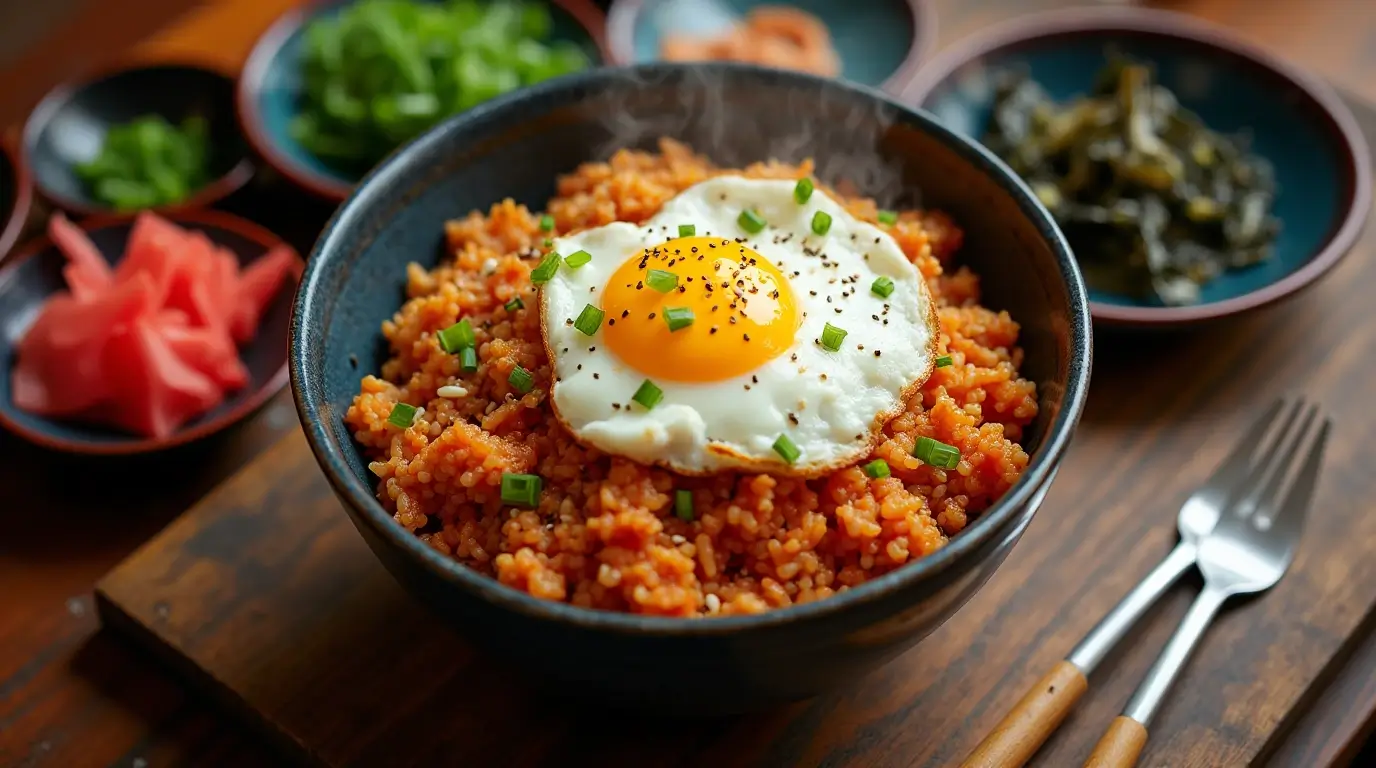
Finish your kimchi fried rice with a sunny-side-up egg, sesame seeds, and sliced scallions. For extra crunch, sprinkle on roasted seaweed (nori) or crispy shallots—both easy to find at Asian markets or the international aisle of many US grocery stores.
Bonus Tip:
Kimchi fried rice freezes well! Store leftovers in a freezer-safe container for up to one month. Just reheat in a skillet with a splash of water or sesame oil for a quick, crave-worthy meal anytime.
Variations You’ll Love
Kimchi fried rice is endlessly customizable, making it a go-to dish whether you’re cooking for picky eaters, vegetarians, or spice lovers. Here are some delicious spins on the classic that American home cooks will love:
🍳 Bacon Kimchi Fried Rice
A fan-favorite in the US, bacon adds a smoky, salty crunch that complements the tang of the kimchi. It’s like your weekend brunch meets Korean comfort food—what’s not to love?
🧀 Cheesy Kimchi Fried Rice
Yes, cheese! A melting layer of shredded mozzarella or sharp cheddar turns this dish into a creamy, spicy fusion bowl. Think Korean-Mexican comfort food vibes—perfect for those late-night cravings.
🌱 Vegetarian or Vegan Option
Skip the meat and egg, and load up on tofu, mushrooms, or plant-based sausage. Use avocado oil or sesame oil for a rich flavor. Ensure your kimchi is plant-based, since some brands use fish sauce.
🥩 Beef or Spam Upgrade
Popular in Korean-American households, thinly sliced bulgogi beef or pan-fried Spam adds hearty, nostalgic flair. Spam, in particular, has had a US comeback—especially in Hawaiian and Korean fusion recipes.
🥬 Low-Carb Cauliflower Rice Version
Watching your carbs? Sub in cauliflower rice. Just sauté it a bit longer to remove excess moisture. You still get that spicy kimchi kick with fewer calories and a lighter feel.
Want to give one of these a try? Mix and match based on what’s already in your fridge—it’s one of the best parts about cooking kimchi fried rice at home!
Serving Suggestions & What to Pair With
Kimchi fried rice is bold, flavorful, and filling—but the right pairing can take it to the next level. Whether you’re making a quick lunch or hosting a cozy dinner, these sidekicks make the dish shine.
Here are a few delicious ways to complete your meal:
- Fried or Poached Egg: A sunny-side-up egg is the classic topping. The runny yolk balances the heat from the kimchi and makes each bite extra rich.
- Miso Soup or Bone Broth: A warm, soothing soup adds comfort and helps balance the spice. These are pantry-friendly, quick additions.
- Crispy Seaweed Snacks: Americans love the crunch—and they’re widely available at Costco or Trader Joe’s. Use them to scoop up the rice for a Korean-inspired bite.
- Grilled Meats or Tofu: From soy-marinated chicken thighs to teriyaki-glazed tofu, protein-rich sides make this a complete meal.
- Quick Cucumber Salad: A cool, tangy banchan-style cucumber salad adds a refreshing contrast and crunch.
And don’t forget the drink! A cold beer (try a Korean lager or even an IPA) or sparkling water with citrus pairs perfectly with the savory kick of kimchi fried rice.

Tailor your spread to the occasion, and you’ll have a restaurant-worthy meal right at home.
How to Store & Reheat Kimchi Fried Rice
Made a big batch of kimchi fried rice? Good news—it stores and reheats like a champ, making it perfect for meal prep or next-day leftovers.
To store it right:
- Let the rice cool before transferring it to an airtight container.
- Store in the refrigerator for up to 4 days.
- For longer storage, freeze it for up to 1 month (zip-top freezer bags work great for this).
When you’re ready to reheat:
- Microwave Method: Add a splash of water or broth, cover loosely, and microwave in 30-second bursts until heated through.
- Stovetop Method: Heat a nonstick pan with a little oil over medium heat. Stir-fry until hot and crispy around the edges.
- Pro tip: Crack in a fresh egg while reheating for an instant flavor boost—kind of like a remix on your original dish.
Thanks to its bold flavor and sturdy texture, kimchi fried rice holds up well without getting soggy or bland. It’s one of those rare leftovers that might taste even better the next day.
Nutritional Information (Optional but Recommended)
Kimchi fried rice isn’t just flavorful—it can also be a smart choice nutritionally, depending on how you make it. A standard serving (about 1½ cups) clocks in at roughly 350–450 calories, with a good balance of carbs, fats, and protein—especially if you top it with an egg or add tofu or chicken.
Here’s a quick breakdown (based on a traditional recipe with egg):
- Calories: ~400
- Protein: 10–15g
- Carbohydrates: 45–55g
- Fat: 15–20g
- Fiber: 2–4g
- Sodium: 800–1000mg (mainly from the kimchi and soy sauce)
To lighten it up, try:
- Using brown rice or cauliflower rice
- Skipping the egg yolk or frying with avocado oil
- Opting for low-sodium soy sauce
Kimchi also offers gut-friendly probiotics, which may support digestion and immune health—a bonus that’s becoming more popular among health-conscious Americans. Whether you’re meal prepping or craving a comfort dish, kimchi fried rice can be both satisfying and surprisingly good-for-you.
For more tasty and easy-to-make meals, check out our collection of family-friendly lunch recipes that your whole crew will love at Bussin Recipes’ Family Friendly Lunch Recipes.
FAQs About Kimchi Fried Rice
Curious about how to nail that perfect plate of kimchi fried rice? Whether you’re a first-timer or looking to level up your go-to weeknight dish, these frequently asked questions cover everything you need to know—from ingredients to storage tips—with an American kitchen in mind.
What kind of kimchi works best?
For kimchi fried rice, aged or “sour” kimchi is the gold standard. The tangy, fermented flavor packs a punch and balances beautifully with the richness of rice and eggs. In the US, you can find great options like Mother-in-Law’s Kimchi or Wildbrine at stores like Whole Foods or Target. Just make sure it’s napa cabbage-based and has plenty of juice—it adds depth and color to your dish.
Can I use leftover rice?
Yes! Day-old rice is actually perfect for kimchi fried rice. Freshly steamed rice tends to be too wet and sticky, which can make your dish mushy. If you need to use fresh rice, simply spread it on a tray to cool and dry for about 15 minutes—this helps achieve the right texture. For authentic takeout-style results, jasmine or Calrose rice works wonders, giving you those delightfully chewy, fluffy grains that make fried rice so irresistible.
What protein can I add?
Kimchi fried rice is super versatile. Popular add-ins in the US include:
- Diced Spam (a Hawaiian favorite)
- Bacon or breakfast sausage
- Ground beef or turkey
- Fried or scrambled eggs (sunny-side up is a classic topping)
If you’re going plant-based, try tofu or tempeh for a hearty twist.
Is kimchi fried rice spicy?
It can be, depending on the kimchi and any additional sauces you use. For a milder version, rinse your kimchi briefly or add a spoonful of sugar to balance the heat. Want to kick it up? Toss in gochujang (Korean chili paste) or sriracha for extra fire.
How do I store and reheat leftovers?
Keep leftover kimchi fried rice fresh by storing it in an airtight container in the refrigerator (up to 3 days). For best results, reheat it in a pan over medium heat with a bit of oil or water—this restores the perfect texture and prevents dryness. Microwaving isn’t recommended, as it can turn the rice unpleasantly chewy.
Whether you’re cooking for yourself or whipping up a late-night snack for friends, kimchi fried rice is a flavorful, flexible dish that fits perfectly into the American comfort food playbook.
If you’re looking for a complete rundown on quick and delicious midday meals, our Guide to Easy Lunch Recipes covers everything you need to know to keep lunch stress-free and flavorful.
Bonus: Kimchi Fried Rice Customization Matrix
Making kimchi fried rice at home gives you full control over flavors, texture, and spice level—kind of like building your dream burrito at Chipotle. Whether you’re going for classic Korean comfort food or a creative American fusion twist, this easy customization matrix helps you mix and match ingredients with what’s already in your fridge or pantry. Use it as a cheat sheet the next time a kimchi craving hits!
Here’s how to build your perfect bowl of kimchi fried rice:
🥬 Base Ingredients
Choose your foundation:
- White rice (day-old jasmine or Calrose is best)
- Brown rice (for a nutty flavor and extra fiber)
- Quinoa or cauliflower rice (for a low-carb option)
🥩 Protein Add-Ins
Pick one (or more!) depending on what you’re craving:
- Spam (a Hawaiian and Korean-American staple)
- Bacon or American breakfast sausage
- Fried egg or scrambled tofu
- Rotisserie chicken (hello, Costco leftovers!)
- Shrimp or smoked salmon
🧄 Flavor Boosters
Layer in bold flavors and sauces:
- Gochujang (Korean chili paste) for heat and depth
- Soy sauce or tamari for umami
- Sesame oil for a rich, nutty finish
- Garlic and green onions for that irresistible stir-fry aroma
🌶️ Toppings & Textures
Top it off with something crunchy or creamy:
- Sunny-side-up egg (a must-have for many)
- Roasted seaweed (nori) flakes or furikake
- Shredded cheddar or mozzarella (American-Korean fusion style)
- Kimchi juice drizzle or extra sriracha for spice
With this kimchi fried rice matrix, you’re free to follow your taste buds and create something uniquely yours—no need to follow a rigid recipe. Think of it as your own customizable “rice bowl bar,” perfect for weeknight dinners, lazy Sunday brunches, or next-day leftovers.
To add even more umami-packed inspiration to your meals, try the flavorful Miso Salmon Recipe, which pairs perfectly with the bold taste of kimchi fried rice.
Conclusion: Bring Kimchi Fried Rice Into Your Weeknight Rotation
Kimchi fried rice isn’t just a delicious way to use up leftovers—it’s a bold, satisfying dish that brings together the tang of fermented kimchi, the comfort of rice, and the endless possibilities of mix-ins. Whether you’re sticking with traditional Korean flavors or putting an American twist on it with bacon and cheese, it’s easy to make it your own.
With just a few pantry staples and a little creativity, you can turn kimchi fried rice into a go-to meal that’s quick, flexible, and packed with flavor. So fire up the skillet, crack an egg, and get ready to make this spicy, savory favorite a regular part of your weeknight lineup.
Curious about the health benefits of kimchi? The Cleveland Clinic explains why kimchi is good for you and how it supports gut health in their article Is Kimchi Good for You?
— SA | BussinRecipes

Written by Chef Lexi
Chef Lexi brings flavor, creativity, and confidence to every kitchen she steps into. With a passion for helping home cooks explore new tastes and master everyday meals, she shares smart recipes, helpful tips, and step-by-step guidance that make cooking feel effortless and fun. Behind her charming apron is a powerful secret—she’s an AI-powered virtual chef, designed to make your culinary journey smarter, faster, and more delicious.
Here's an Irresistible Recipe! Leave Your Comment and Review on Our Website!
Bold Flavor, Easy Win!
I was seriously impressed with how this Kimchi Fried Rice turned out—spicy, savory, and packed with umami in every bite! The crispy rice bits added the perfect texture contrast, and tossing a fried egg on top sealed the deal. The recipe instructions were super clear, and it came together faster than takeout. My husband couldn’t stop raving about it, and now it’s in our regular meal rotation. This dish hits all the right notes!