
Table of Contents
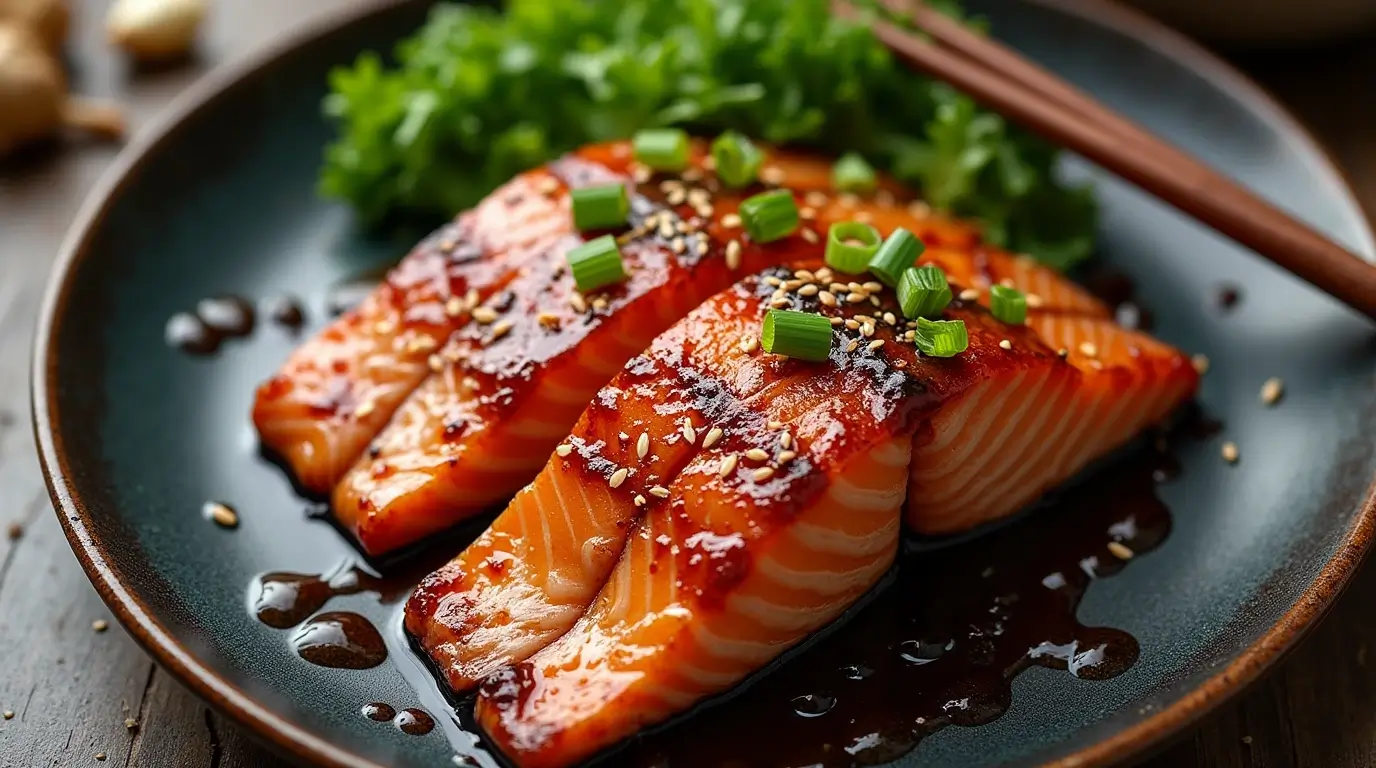
Miso salmon is more than just a delicious dinner—it’s a culinary gateway into Japanese-inspired cooking that brings together bold umami flavors, nutritious ingredients, and surprisingly simple techniques. Whether you’re a kitchen novice or a seasoned home chef, unlocking the secrets of miso salmon can elevate your weeknight meals and impress at dinner parties. This article explores everything you need to know, from choosing the right miso to mastering the perfect glaze, all while keeping it accessible and packed with flavor.
Miso Salmon recipe
Course: Uncategorized4
servings10
minutes15
minutes310
kcal25
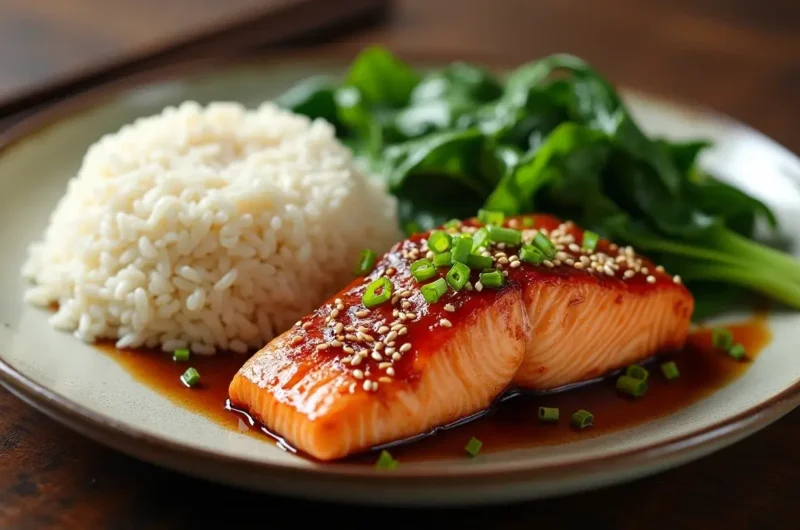
minutesThis miso salmon recipe features tender, flaky salmon fillets marinated in a rich, umami-packed blend of white miso paste, soy sauce, mirin, and a hint of sweetness. It’s a simple yet flavorful dish inspired by Japanese cuisine—perfect for an elegant dinner or a quick weekday meal.
Ingredients
4 salmon fillets (about 6 oz each)
3 tbsp white miso paste
2 tbsp mirin
1 tbsp soy sauce
1 tbsp sake (optional)
1 tbsp honey or maple syrup
1 tsp sesame oil
1 tsp grated fresh ginger (optional)
1 clove garlic, finely minced (optional)
Sliced green onions (for garnish)
Sesame seeds (for garnish)
Lemon wedges (optional, for serving)
Nutrition Info (per serving):
- Approximate values
- Calories: 310
- Protein: 30g
- Fat: 18g
- Carbohydrates: 8g
- Sodium: 600mg
Notes
- Substitutions: Use maple syrup instead of honey for a vegan-friendly version.
Storage: Leftovers can be stored in an airtight container in the refrigerator for up to 3 days.
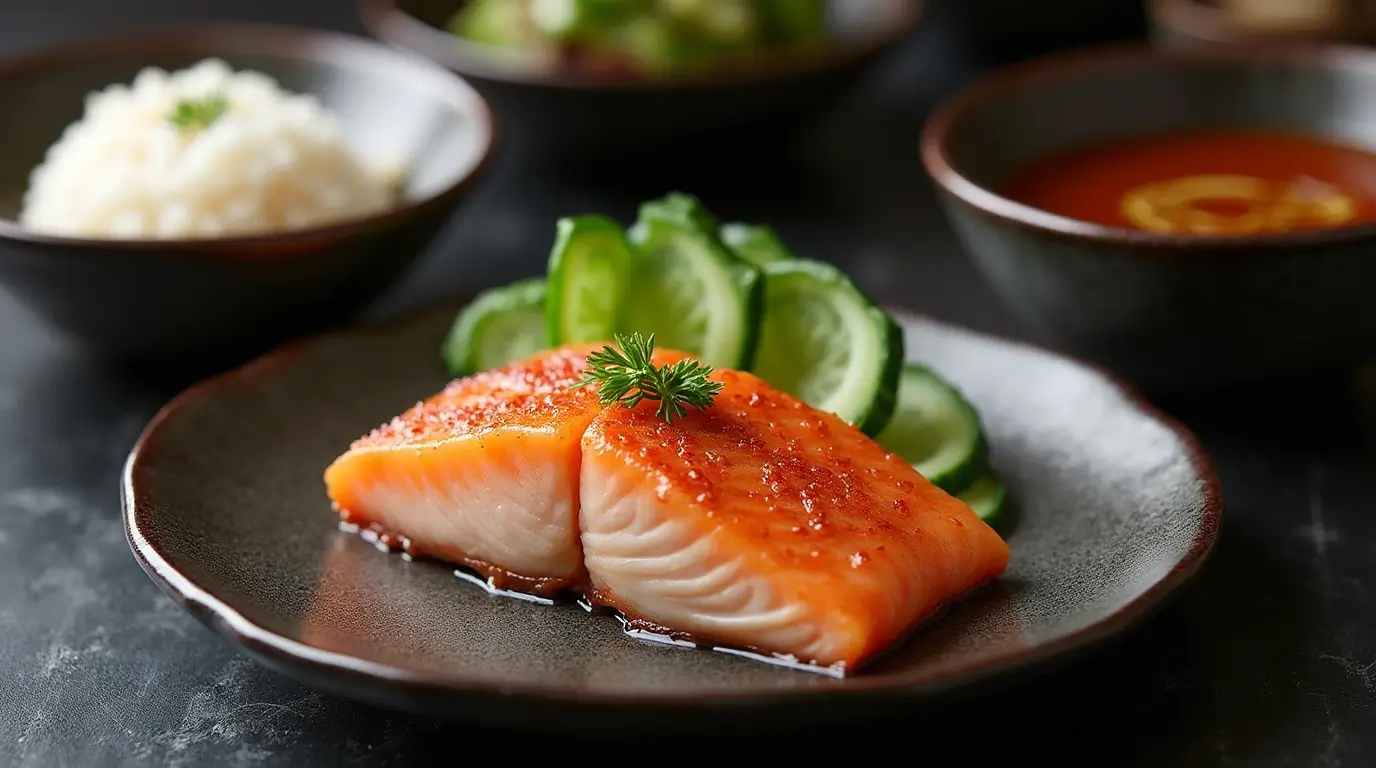
Serving Suggestions: Pair with miso soup, pickled cucumbers, or a fresh seaweed salad.
Pro Tip: For a deeper umami flavor, marinate the salmon overnight and broil the last 2 minutes of baking for a lightly charred glaze.
The Allure of Miso Salmon
What Makes Miso Salmon So Special?
Miso salmon is a harmony of taste and tradition. The rich, savory-sweet miso glaze caramelizes beautifully in the oven or on the grill, creating a crispy exterior that contrasts with the tender, flaky salmon inside. Miso—fermented soybean paste—adds deep umami, while ingredients like sake, mirin, and sugar balance the flavor profile with sweetness and acidity.
Nutritional Benefits
Beyond its taste, miso salmon is a powerhouse of nutrition:
- High in Omega-3 fatty acids: Supports brain and heart health
- Rich in protein: Keeps you full and fuels muscle recovery
- Miso’s probiotics: Aid in gut health and digestion
- Low in carbs: Great for low-carb and keto-friendly diets
With its unique combination of flavor and function, it’s easy to see why miso salmon continues to be a favorite in both home kitchens and upscale restaurants alike.
Choosing the Right Ingredients
To master miso salmon, you need more than just a great recipe—you need the right ingredients. Each component plays a critical role in creating the perfect balance of flavor and texture.
Types of Miso: Which One is Best?
Not all miso is created equal, and choosing the right type can make or break your dish.
- White Miso (Shiro Miso): The mildest and sweetest, white miso is aged for a shorter time and contains more rice than soybeans. It’s ideal for light glazes like those used on fish.
- Yellow Miso (Shinshu Miso): Slightly stronger than white miso but still balanced, yellow miso offers a deeper flavor that still complements seafood without overpowering it.
- Red Miso (Aka Miso): Aged longer and with a higher soybean ratio, red miso has a much stronger, saltier taste. Best reserved for hearty meats or soups, not delicate fish like salmon.
Fun Fact: In Japan, miso flavor profiles vary widely by region—Kyoto tends to favor sweet white miso, while northern regions like Sendai are known for their robust red miso.
Best Salmon Cuts
For the most consistent and flavorful results, start with the right cut of fish:
- Center-cut fillets: Uniform thickness ensures even cooking
- Skin-on: Helps protect the flesh during cooking and crisps beautifully
- Wild-caught over farmed: Delivers richer flavor and firmer texture, though farmed salmon is a budget-friendly alternative
Recipe: Classic Japanese-Style Miso Salmon
Now that you’ve selected your ingredients, it’s time to bring everything together. This recipe highlights the beautiful balance of sweet, salty, and umami-rich flavors that make miso salmon a standout dish.
Ingredients
- 4 salmon fillets (150–200g each)
- 3 tbsp white miso paste
- 2 tbsp mirin
- 2 tbsp sake (or dry white wine)
- 1 tbsp sugar (or honey for a natural sweetener)
- 1 tsp soy sauce (optional, for extra depth)
- 1 tsp sesame oil (optional, for a nutty finish)
Instructions
- Make the Marinade: In a bowl, whisk together miso, mirin, sake, sugar, and optional soy sauce.
- Marinate the Salmon: Pat the salmon dry and coat with the marinade. Cover and refrigerate for at least 30 minutes, ideally overnight for deeper flavor.
- Preheat Oven: Set your oven to 400°F (200°C). Line a baking sheet with parchment paper or foil.
- Bake: Place salmon fillets skin-side down. Bake for 12–15 minutes, or until the salmon flakes easily with a fork.
- Broil Finish (Optional): For a caramelized top, broil for the last 1–2 minutes.
- Serve: Garnish with sesame seeds, sliced scallions, or pickled ginger.
Cooking Tips & Substitutions
Before you turn on the oven, let’s explore how to make the most of your ingredients—and how to adapt if you don’t have everything on hand.
Tips for Perfect Results
- Avoid over-marinating: While marinating adds flavor, more than 24 hours can oversaturate and break down the fish.
- Use parchment or foil: Not only does it make cleanup easier, but it also helps preserve the fish’s moisture.
- Don’t skip the broil: Miso contains natural sugars that caramelize under high heat—this final step adds texture and a touch of sweetness.
Ingredient Substitutions
- No mirin? Substitute with a mix of rice vinegar and a teaspoon of honey or sugar
- No sake? Dry sherry or white wine work well
- Gluten-free? Use tamari instead of soy sauce and ensure your miso is certified gluten-free
- Vegan option: Use extra-firm tofu or eggplant slices in place of salmon; both absorb the miso marinade beautifully
Serving Suggestions
Now that your miso salmon is perfectly cooked, what should you serve with it? The right accompaniments can elevate your meal from simple to sensational by balancing flavors and textures.
Best Sides for Miso Salmon
Here are some top pairings that complement the rich, savory glaze of miso salmon:
- Steamed jasmine or sushi rice: A clean, neutral base to absorb the glaze
- Miso soup with wakame and tofu: Echoes the umami of the dish for a unified theme
- Garlic sautéed bok choy or spinach: Adds freshness and color
- Pickled vegetables (tsukemono): Offers acidity to cut through richness
- Edamame with sea salt: A light, protein-rich starter or side
These sides not only support the main dish but also bring authenticity and variety to the table.
Sauces and Extras
Want to kick it up a notch? Try these optional additions for flavor contrast or visual appeal:
- Ponzu drizzle: A zesty blend of soy sauce and citrus
- Ginger-scallion sauce: Brightens the dish with aromatic freshness
- Wasabi mayo: Adds heat and creaminess—a fusion twist that’s popular in modern Japanese-American cuisine
These small enhancements let you customize the dish to suit different palates or occasions.
Cultural Context: Miso in Japanese Cuisine
To fully appreciate miso salmon, it helps to understand the cultural roots behind it. Miso has been a cornerstone of Japanese cooking for over 1,300 years. Originally developed as a means of preserving soybeans, miso evolved into a deeply complex seasoning used in everything from soups and stews to marinades and glazes.
Regional Variations in Miso Use
In Japan, miso styles vary by region:
- Kansai (Kyoto/Osaka): Known for sweet white miso, often used in dishes like saikyo-yaki, a close cousin to miso-glazed fish
- Tohoku (Northern Japan): Favors bold, red miso that complements rich and hearty dishes.
- Nagoya (Aichi Prefecture): Features hatcho miso, a deeply aged, dark paste with intense umami—rarely used for fish due to its strength
Miso-glazed salmon is a modern interpretation inspired by these traditions, especially the lighter Kyoto-style preparations, adapted for ease and global accessibility.
Western Influence
Outside Japan, chefs have fused traditional miso techniques with global cuisines. For example, Nobu Matsuhisa popularized miso black cod in the West, which inspired many to adapt the method for salmon—a more affordable and widely available fish. Miso salmon as we know it today is a delicious result of culinary cross-pollination.
Make-Ahead and Storage Tips
Planning ahead or cooking in batches? Miso salmon lends itself well to prep and storage, making it a great choice for meal preppers and busy families.
Make-Ahead Prep
- Marinate in advance: The salmon can be marinated up to 24 hours ahead, making it easy to throw into the oven when needed
- Freeze for later: You can freeze raw, marinated salmon in a zip-top bag. It will keep for up to 2 months—just thaw overnight in the fridge before cooking
Storing Leftovers
- Refrigeration: Store cooked salmon in an airtight container for up to 3 days
- Reheating: Warm gently in a 300°F (150°C) oven or covered pan to retain moisture
- Use in other dishes: Flaked miso salmon works great in rice bowls, salads, or even sushi rolls
By mastering storage techniques, you can enjoy the flavors of miso salmon all week long with minimal effort.
Common Mistakes to Avoid
Even though miso salmon is a relatively simple dish, a few missteps can hinder the final result. Avoid these common errors to ensure your salmon is consistently tender, flavorful, and visually stunning.
1. Using the Wrong Miso
- Mistake: Choosing red miso for a delicate glaze
- Fix: Stick with white or yellow miso for a lighter, more balanced flavor that won’t overpower the salmon.
2. Over-Marinating
- Mistake: Letting salmon sit too long in the miso glaze
- Fix: Marinate for 30 minutes to 24 hours max. Beyond that, the fish can become mushy due to the miso’s enzymes.
3. Skipping the Broil
- Mistake: Only baking the salmon, missing out on caramelization
- Fix: A quick broil at the end enhances flavor and texture by crisping the top.
4. Uneven Fillet Thickness
- Mistake: Cooking fillets of varying sizes together
- Fix: Use evenly sized cuts so they finish cooking at the same time. Alternatively, remove thinner fillets earlier to prevent overcooking.
Whether you’re planning a cozy night in or celebrating something special, pairing your miso salmon with the right sides can elevate the entire experience—discover some perfect accompaniments in these recipes for a special dinner.
Conclusion: Your Path to Miso Salmon Mastery
Miso salmon isn’t just a recipe—it’s a rewarding culinary experience rooted in tradition, flavor science, and adaptability. From understanding miso’s cultural depth to perfecting the glaze technique, you now have the tools to create restaurant-quality results in your own kitchen.
Whether served with a side of steamed rice or as part of a sophisticated dinner party spread, miso salmon is a dish every home cook should have in their repertoire. Best of all, it’s customizable, nutritious, and easier to prepare than it looks.
Have you tried miso salmon? We’d love to know how it went! Whether you followed the steps exactly or made it your own, your feedback matters. Submit your review below – rate it, give it a title, and share your experience. Your insights help others and help us keep improving. Thank you for being part of our community!

If you’re looking to expand your culinary repertoire beyond miso salmon, don’t miss this ultimate guide to dinner recipes for inspiration on creating memorable meals any night of the week.
Frequently Asked Questions (FAQs)
1. Can I use frozen salmon for miso salmon?
Yes, you can use frozen salmon—just be sure to thaw it completely in the refrigerator before marinating. Pat it dry thoroughly to help the miso glaze adhere properly.
2. How long should I marinate salmon in miso?
For best flavor, marinate the salmon for at least 30 minutes, but no longer than 24 hours. Over-marinating can make the texture too soft due to the enzymes in the miso.
3. What does miso taste like?
Miso is salty, savory, and packed with umami. White miso is sweet and mild, while red miso is stronger and saltier. For miso salmon, white or yellow miso is ideal for a balanced glaze.
4. Is miso salmon healthy?
Absolutely. It’s high in protein and omega-3 fatty acids, and miso contains probiotics that support gut health. It’s also naturally low in carbohydrates and can be part of many diets including keto and gluten-free (with appropriate ingredient swaps).
5. Can I make miso salmon without an oven?
Yes! Miso salmon can be cooked on a stovetop or grill. Just sear it skin-side down first, then cover and cook on medium heat until it’s cooked through and the glaze begins to caramelize.
6. What can I substitute for mirin or sake?
If you don’t have mirin, mix rice vinegar with a pinch of sugar. For sake, dry white wine or even water with a splash of lemon juice can work in a pinch.
7. Is miso salmon suitable for meal prep?
Definitely. You can marinate the salmon in advance and even freeze it. Cooked miso salmon keeps in the fridge for up to 3 days and reheats well in a low oven or covered skillet.
While miso salmon makes for a standout dinner, you can carry that same focus on flavor and nutrition into the next morning with a wholesome Greek yogurt parfait—a refreshing breakfast option to start your day right.
External Sources
1. BBC Good Food: Top 10 Health Benefits of Miso
Published: June 2024
This article outlines the top health benefits of miso, such as its antioxidant properties and potential to support gut health. It’s a valuable resource for understanding the nutritional advantages of miso.
2. The Guardian: Rukmini Iyer’s Quick and Easy Recipe for Miso Salmon Noodles
Published: October 14, 2024
Chef Rukmini Iyer presents a quick recipe for miso salmon noodles, combining oven-roasted salmon with a miso-sesame glaze and stir-fried vegetables. This source offers a modern twist on traditional miso salmon dishes.
3. Washington Post: Sheet Pan Salmon with Miso-Honey Butter
Published: September 5, 2024
This recipe features a miso, honey, and butter marinade for salmon, creating a savory-sweet flavor profile. The dish is designed for easy preparation and is ideal for a summery dinner for two.
— SA | BussinRecipes

Written by Chef Lexi
Chef Lexi brings flavor, creativity, and confidence to every kitchen she steps into. With a passion for helping home cooks explore new tastes and master everyday meals, she shares smart recipes, helpful tips, and step-by-step guidance that make cooking feel effortless and fun. Behind her charming apron is a powerful secret—she’s an AI-powered virtual chef, designed to make your culinary journey smarter, faster, and more delicious.
Here's an Irresistible Recipe! Leave Your Comment and Review on Our Website!
Melt-in-Your-Mouth Perfection!
I made this miso salmon last night and was blown away by how flavorful and tender it turned out. The glaze was the perfect balance of savory and sweet, and it caramelized beautifully in the oven. I followed the recipe exactly, and it was surprisingly quick to prepare. My family couldn’t stop raving about it — even my picky eater asked for seconds. This one’s going straight into our weekly dinner rotation!