
Table of Contents
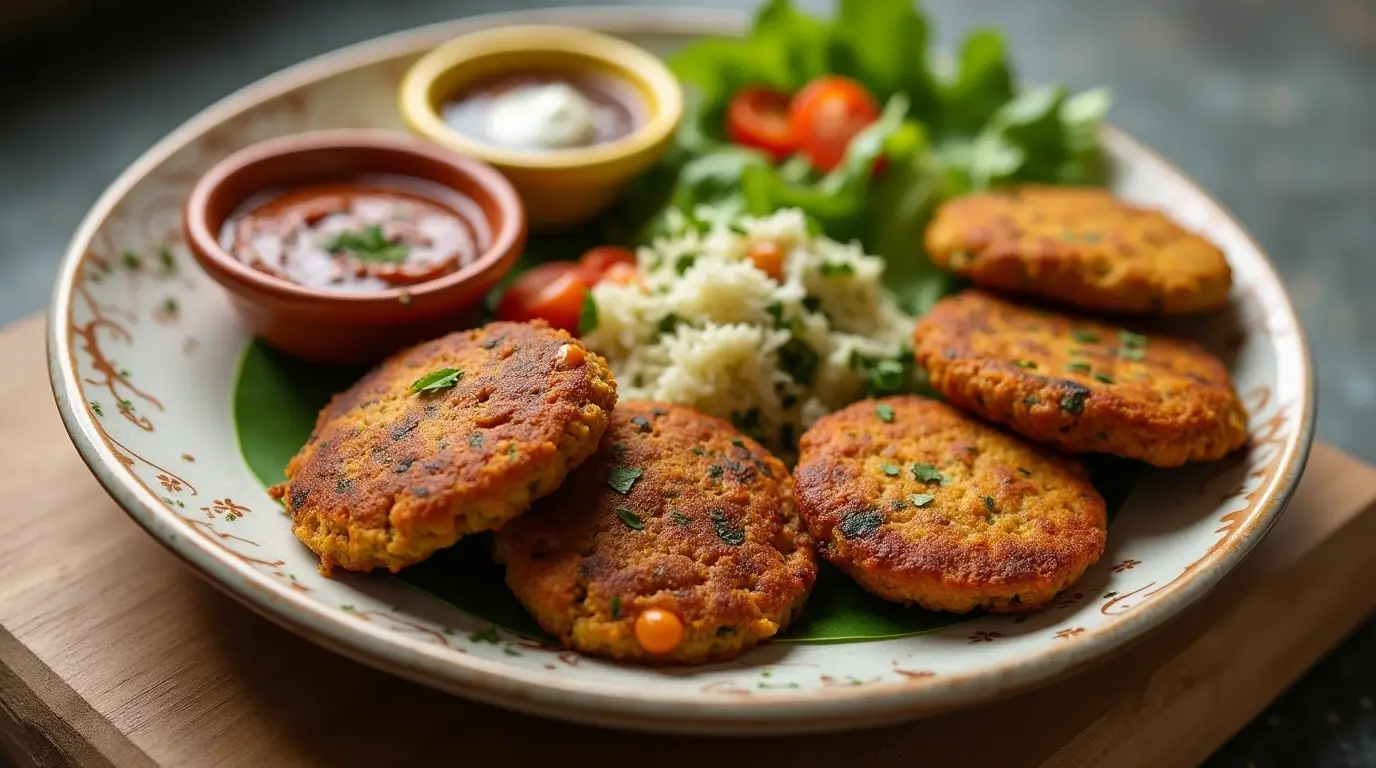
Bean cakes are more than just a plant-based alternative — they are a celebration of flavor, nutrition, and global culinary heritage. Whether served crispy on the outside and soft on the inside or spiced with traditional seasonings from around the world, bean cakes provide a flexible foundation for a healthy, affordable, and satisfying meal. In this comprehensive guide, you’ll learn not only how to make delicious bean cakes at home in five easy steps but also why they’re a smart addition to your diet, how they vary by region, and how to avoid common mistakes for perfect results every time.
Homemade Bean Cakes
Course: BreakfastCuisine: International, Fusion4
servings15
minutes10
minutes300
kcal25
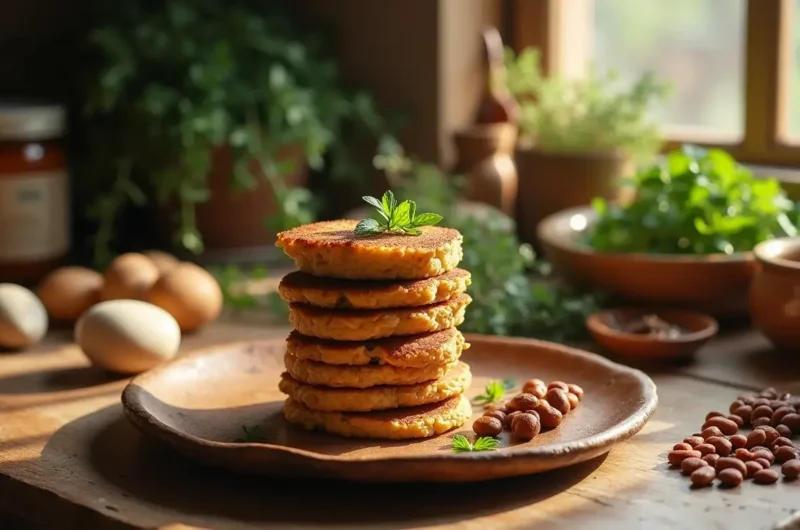
minutesThese crispy, golden bean cakes are packed with hearty beans, flavorful herbs, and spices — a delicious, protein-rich meal that’s easy to prepare and perfect for any time of day.
Ingredients
2 cups cooked beans (black beans or pinto beans, mashed)
1/2 cup breadcrumbs (plus extra if needed)
1/4 cup finely chopped onion
2 cloves garlic, minced
1 large egg
2 tablespoons chopped fresh cilantro (or parsley)
1 teaspoon cumin powder
1/2 teaspoon smoked paprika
Salt and pepper, to taste
2–3 tablespoons oil (for frying)
Preparation Instructions:
- In a large bowl, combine mashed beans, breadcrumbs, onion, garlic, egg, cilantro, cumin, paprika, salt, and pepper.
- Mix until the ingredients are well combined and form a firm but moist dough. Add extra breadcrumbs if needed.
- Shape the mixture into small patties (about the size of your palm).
- Heat oil in a skillet over medium heat.
- Cook the bean cakes for 3–4 minutes on each side, until golden brown and crispy.
- Remove from the pan and place on paper towels to drain any excess oil.
- Serve hot with your favorite dipping sauce or a fresh salad.
- Nutrition Info (Approximate per serving):
- Calories: 220
- Protein: 9g
- Fat: 8g
- Carbs: 28g
- Sodium: 210mg
Notes
- Note: This is an estimate based on common bean cake recipes. Adjust if precise measurements are needed.
Why Choose Bean-Based Recipes?
1. Nutritional Powerhouses
Beans are packed with protein, fiber, complex carbohydrates, and key nutrients like folate, magnesium, potassium, and iron. Regularly including them in meals can help stabilize blood sugar levels, reduce cholesterol, and support digestive health.
2. Sustainable and Eco-Friendly
Unlike meat production, beans require less water and emit far fewer greenhouse gases. Choosing legumes over animal protein supports sustainability without sacrificing nutrition.
3. Affordable and Accessible
Beans are cost-effective and widely available in both canned and dried forms. With long shelf lives and versatile usage, they’re a smart pantry staple for every household.
4. Culinary Versatility
From soups and stews to patties and dips, beans adapt easily to many cuisines. Their mild flavor allows them to take on spices and ingredients from cultures worldwide, making bean cakes endlessly customizable.

How to Make Bean Cakes in 5 Simple Steps
Step 1: Choose and Prepare Your Beans
Start with 1.5 to 2 cups of cooked beans. Good varieties include:
- Black beans
- Kidney beans
- Chickpeas
- Black-eyed peas
Drain and rinse if using canned beans. For added texture, consider mashing only half of the beans and leaving the rest whole.
Step 2: Mix with Flavor and Binders
Add the beans to a mixing bowl with:
- 1/2 cup chopped onions
- 2 minced garlic cloves
- 1/2 tsp cumin or smoked paprika
- Salt and pepper to taste
- 1/4 cup breadcrumbs or oat flour
- 1 egg (or flax egg for vegan option)
Mix until a cohesive dough forms.
Step 3: Shape the Patties
Form the mixture into 6–8 small patties. Wet hands slightly to avoid sticking. Let them rest in the refrigerator for 20–30 minutes to firm up.
Step 4: Cook Your Way
You can pan-fry, bake, or air-fry the patties:
- Pan-fry: Use a light coat of oil and cook 3–4 minutes per side.
- Bake: Place on a parchment-lined tray at 375°F (190°C) for 20–25 minutes, flipping halfway.
- Air-fry: 375°F for 10–12 minutes, flipping once.
Step 5: Serve Creatively
Serve bean cakes with:
- Fresh salad and tahini sauce
- Inside pita bread or burger buns
- Alongside rice, roasted vegetables, or yogurt dips
Common Mistakes When Making Bean Cakes (And How to Avoid Them)
Using Too Much Moisture
Overly wet mixtures lead to mushy patties. Always drain beans thoroughly and avoid adding extra liquid unless necessary.
Skipping the Chill Time
Refrigerating helps bind the mixture. Skipping this step can make patties fall apart during cooking.
Over-processing in the Blender
A food processor is great, but over-blending turns your mix into puree. Leave some chunks for texture.
Not Enough Binder
Without enough egg, breadcrumbs, or starchy flour, your cakes won’t hold together. Adjust binders as needed.
Global Variations of Bean Cakes
Nigerian Akara
Made from peeled black-eyed peas and blended with onions and peppers, akara is deep-fried until crispy and often served for breakfast.
Egyptian Ta’meya
A close cousin of falafel, ta’meya is made from fava beans blended with herbs like cilantro and parsley, deep-fried, and served in flatbread.
Korean Bindaetteok
These mung bean pancakes are blended with kimchi, mung beans, and vegetables, pan-fried, and served with soy dipping sauce.
Caribbean Black Bean Cakes
Spiced with thyme, garlic, and scotch bonnet peppers, these patties are pan-fried and paired with plantains or coconut rice.
Creative Serving Ideas for Bean Cakes
- Mini sliders: Make small patties and serve in mini buns with avocado and slaw.
- Buddha bowls: Place over quinoa or rice with roasted veggies and tahini.
- Breakfast wraps: Add to tortillas with eggs or tofu scramble.
- Kids’ lunchboxes: Bake into bite-sized balls for easy packing.
Make-Ahead, Storage, and Reheating Tips
- Prep ahead: Store raw patties in the fridge for up to 2 days or freeze them.
- Freeze: Separate with parchment and store in airtight bags for up to 3 months.
- Reheat: Warm in a skillet or toaster oven until heated through and crispy.
Sample Nutritional Breakdown (Per Cake, Baked Version)
- Calories: ~130
- Protein: 6–8g
- Fiber: 4g
- Fat: 3g
- Carbohydrates: 18g
Values may vary depending on ingredients and size.
If you’re eager to discover more global flavors to enjoy alongside your bean cakes, visit Authentic International Breakfast Recipes.

Conclusion
Bean cakes are a simple yet powerful addition to any kitchen — affordable, nutritious, and full of flavor. Whether you’re making them for health reasons, cultural exploration, or pure convenience, these plant-based patties offer endless variation and creativity. With the five-step method, tips, and ideas in this guide, you’re fully equipped to turn a humble bean into a star dish. Happy cooking!
After mastering your bean cakes, you might also enjoy exploring these Cheap Lunch Ideas for Family to keep your meals budget-friendly and delicious.
Frequently Asked Questions About Bean Cakes
What are the key ingredients for homemade bean cakes?
Most recipes start with cooked beans, spices, a binder like breadcrumbs or flour, and flavor enhancers like onions, garlic, and herbs. You can adjust the seasonings based on your taste preference.
Can bean-based cakes be made gluten-free?
Yes, you can easily make gluten-free versions by using almond flour, oat flour, or gluten-free breadcrumbs. Always double-check all ingredient labels to ensure they are certified gluten-free.
How long do homemade bean patties last in the fridge?
When stored properly in an airtight container, they can last 3 to 5 days. Reheat them gently on the stovetop or in the oven to maintain their texture and flavor.
Is it better to bake or fry bean cakes?
Both methods work well. Baking offers a healthier option with less oil, while pan-frying gives a crispier exterior. Choose the method that fits your dietary goals and taste preferences.
Can you freeze cooked bean cakes?
Absolutely! Once cooled, place them between layers of parchment paper and store in a freezer-safe container. They can last up to 3 months and make for quick, easy meals later.
What dishes pair well with bean patties?
They are versatile and pair well with salads, rice bowls, pita bread, or even as a meatless burger alternative. Adding sauces like avocado crema or spicy mayo can elevate the meal.
If you’re ready to explore even more delicious morning options beyond bean cakes, check out The Ultimate Guide to Breakfast Recipes for endless inspiration.
Further Reading on Bean Cakes: Expert Insights and Culinary Inspiration
To deepen your knowledge of bean cakes and elevate your recipes, explore these expert-backed resources:
- Scientific Research
Valorization of Kidney Bean Pod Powder in Gluten-Free Cakes (PubMed)
Highlights how bean-based ingredients can improve the nutritional profile of baked goods. - Official Dietary Guidelines
World Health Organization – Healthy Diet
Recommends legumes as part of a balanced, sustainable diet to combat chronic diseases. - Culinary Expertise
Serious Eats – Spicy Bean Cakes Recipe
A professionally developed recipe with tips for layering flavors and textures.
Weelicious – Black Bean Cakes
A family-friendly take using everyday pantry staples — perfect for weeknight meals.
- Practical Guides
Baptist Health – Healthy Substitutions
Learn how beans can replace fats and flours in baking for a healthier dish.
Found a new take on bean cakes you love? Share it in the comments or tag your creation online!
— SA | BussinRecipes

Written by Chef Lexi
Chef Lexi brings flavor, creativity, and confidence to every kitchen she steps into. With a passion for helping home cooks explore new tastes and master everyday meals, she shares smart recipes, helpful tips, and step-by-step guidance that make cooking feel effortless and fun. Behind her charming apron is a powerful secret—she’s an AI-powered virtual chef, designed to make your culinary journey smarter, faster, and more delicious.
Here's an Irresistible Recipe! Leave Your Comment and Review on Our Website!
Crispy, Savory, and Super Satisfying
These bean cakes totally hit the spot! I used black beans and followed the recipe to the letter—they came out perfectly golden and crisp on the outside, soft and flavorful inside. I topped mine with a dollop of sour cream and a bit of salsa for a little kick. It’s an awesome meatless option that didn’t leave me hungry afterward. Definitely making a double batch next time!