
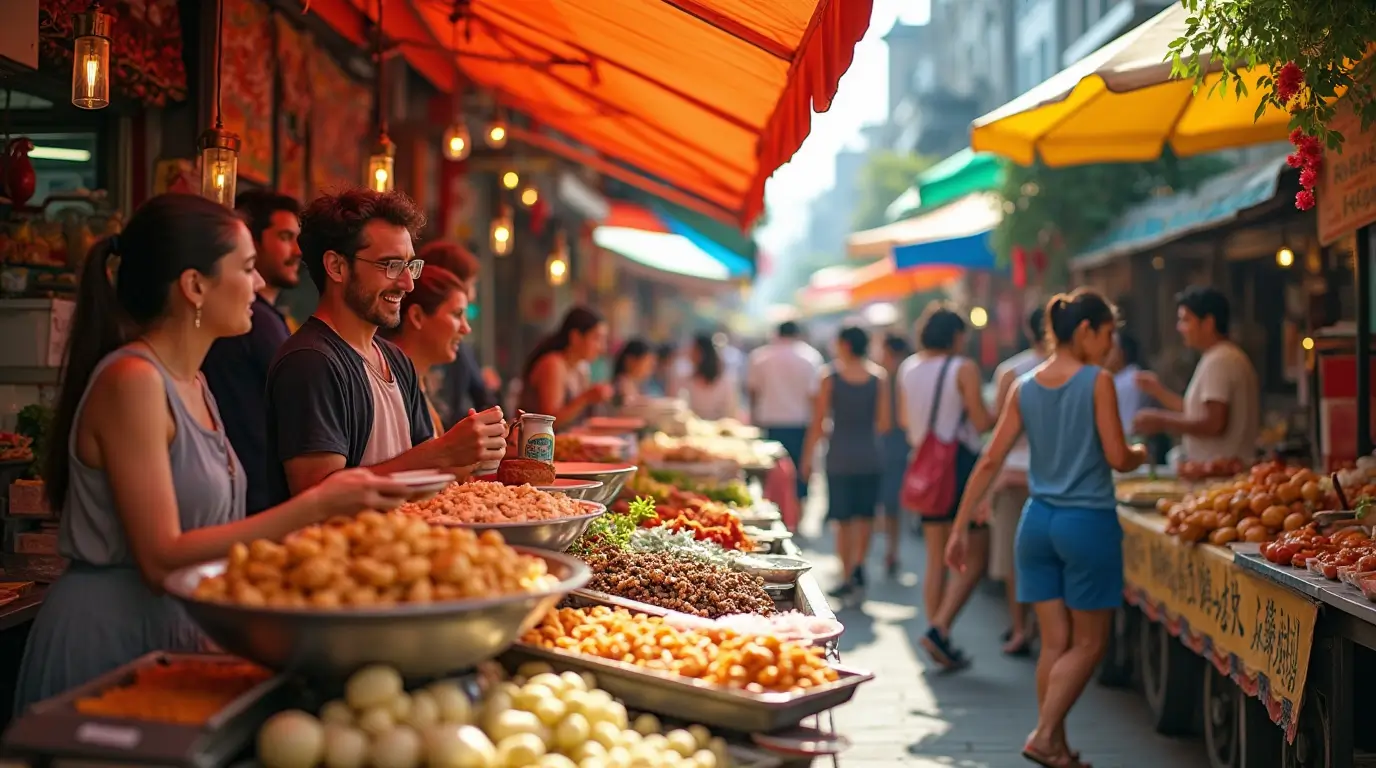
To truly appreciate how deeply connected we are through what we eat, let’s take a closer look at the diverse ways food and culture intertwine across the globe.
Table of Contents
Introduction
Have you ever wondered why certain dishes feel like a warm embrace or how a simple meal can instantly transport you to another corner of the globe? That’s the power of food and culture. Far beyond satisfying hunger, food carries stories—of ancestors, migrations, trade routes, and revolutions. It’s the flavor of identity, the aroma of belonging, and the spice of community life.
In every country, region, or neighborhood, food and culture are deeply intertwined. Whether it’s a centuries-old spice blend passed down through generations, a ritual feast that brings families together, or the daily street food that fuels a city, culinary traditions reveal what people value, believe, and celebrate. These edible expressions of culture shape not only individual tastes but also collective memory.
Understanding food and culture helps us appreciate the richness of global traditions while recognizing the shared human experiences that connect us all. From the rituals of Japanese tea ceremonies to the bold flavors of Mexican mole, food offers a sensory journey into the heart of a community.
This article will take you across continents, exploring how food and culture influence one another through heritage, identity, history, and innovation. You’ll uncover the secrets behind national dishes, discover how migration shapes culinary landscapes, and learn why preserving food traditions matters more than ever.
So grab your fork—or chopsticks or hands—and let’s dive into the delicious and enlightening world of food and culture.
The Deep Connection Between Food and Culture
Food is more than just what we eat—it’s how we connect, express, and remember. Across every society, food and culture form a powerful bond that reflects history, beliefs, and social structure. What’s served on a plate is often a reflection of a people’s values, geography, and way of life.
From birth to death, major life events are accompanied by food. In many cultures, a wedding isn’t complete without a traditional feast, and mourning rituals often include shared meals that bring families together. These practices show how food and culture are intimately linked—not only as nourishment but as a vital part of communal experiences.
Religious beliefs also shape food traditions. For example, in Hindu culture, many follow a vegetarian diet rooted in the principle of ahimsa (non-violence), while Islamic and Jewish food customs revolve around halal and kosher guidelines, respectively. Each practice tells a story of spiritual values and ancestral wisdom.
Moreover, food and culture evolve together over time. As societies modernize or migrate, they carry flavors and techniques with them, adapting recipes to new contexts without losing the original cultural essence. This evolution keeps food culture alive, vibrant, and relevant.
Whether you’re savoring Ethiopian injera, preparing a Korean kimchi ferment, or learning about the slow food movement in Italy, you’re participating in a tradition that goes far beyond taste. Understanding this deep connection helps us respect culinary diversity and appreciate how cultures shape what we eat—and how we eat it.
How Food Reflects Cultural Identity
What we eat—and how we prepare and share it—says a lot about who we are. Food culture and tradition are powerful markers of identity, often acting as living symbols of heritage, language, religion, and community values. Each ingredient, cooking method, and meal ritual can reveal the soul of a culture.
Think of how different regions celebrate the same ingredient in unique ways. Rice in Japan becomes delicate sushi, while in West Africa, it’s transformed into jollof, a vibrant, spiced dish central to gatherings and national pride. These variations in food culture and tradition are not just culinary preferences; they’re deeply rooted in local climate, history, and cultural storytelling.
Even within one country, different communities might have entirely distinct food identities. For example, in India, a vegetarian thali in Gujarat contrasts with the seafood-rich dishes of Kerala—both reflecting diverse regional customs, religions, and ecosystems.
For many immigrant families, food becomes a bridge between generations. A grandmother’s handwritten recipe, recreated in a new country, is more than a meal—it’s a memory, a preservation of language and lifestyle, and a form of cultural resilience.
In a globalized world, maintaining food culture and tradition helps individuals hold on to their roots while sharing their identity with others. It’s a delicious and meaningful way to connect across borders and generations, reinforcing pride, belonging, and cultural continuity.
The Role of Food in Cultural Celebrations and Rituals
Every culture has special moments where food takes center stage—not just as a meal, but as a meaningful ritual. From weddings and religious holidays to seasonal festivals and rites of passage, food and culture are often inseparable during celebrations.
In many parts of the world, food marks transitions and milestones. In China, the Lunar New Year is filled with symbolic dishes like dumplings for wealth and long noodles for long life. In Mexico, families gather for Día de los Muertos, preparing beloved traditional foods like pan de muerto to honor the spirits of their ancestors. These dishes aren’t just enjoyed—they’re cherished, each bite loaded with memory and meaning.
Food also reinforces community during rituals. In Ethiopia, sharing a communal platter during a coffee ceremony is about more than just nourishment—it’s about respect, connection, and hospitality. In Jewish culture, the Passover Seder brings families together through storytelling and symbolic foods like matzo and bitter herbs, which carry historical and spiritual significance.
What ties all these traditions together is the way food and culture shape each other. These culinary customs aren’t just maintained out of habit—they’re a way to honor the past, strengthen family ties, and pass values on to future generations.
When you participate in a food-based celebration from another culture—whether as a guest or through your own exploration—you’re not just tasting new flavors. You’re stepping into a cultural story that has been written over generations, one meal at a time.
Food as a Window to History and Diversity
If you want to understand a culture’s past, look at what’s on its plate. Food culture and tradition serve as a living archive of a community’s journey—tracing the paths of migration, trade, colonization, and adaptation.
Take spices, for example. The global spice trade shaped economies and empires, bringing turmeric from India to Africa, cinnamon from Sri Lanka to Europe, and chili peppers from the Americas to Asia. The dishes we enjoy today are often the product of centuries of cultural exchange and transformation.
In the Caribbean, jerk seasoning tells a story of resilience and resistance, blending African cooking techniques with indigenous and colonial influences. In Peru, quinoa and potatoes—foods cultivated by the ancient Inca—still form the backbone of national cuisine, connecting modern life with ancestral wisdom.
Food culture and tradition also highlight the diversity within a single region. In the Middle East, for instance, hummus, falafel, and tabbouleh may be common, but each country—and even each family—prepares them differently. These small variations carry deep cultural significance, reflecting local customs, available ingredients, and generational tweaks.
By exploring the historical roots of a dish or a dining ritual, we not only learn about the food itself but about the people who made it meaningful. In this way, food becomes more than sustenance—it becomes a flavorful lens through which we view humanity’s rich and complex tapestry.

Exploring National Food Cultures
Every country has its own culinary identity—flavors, techniques, and customs that form a unique national food culture. These food traditions are more than just iconic dishes; they are reflections of geography, history, climate, and the spirit of a nation.
National food cultures give insight into how people live and what they value. In coastal nations like Japan or Greece, seafood plays a central role. In landlocked countries or mountainous regions, preserved meats, root vegetables, and grains often dominate traditional meals. These patterns reveal how communities have adapted their diets to their environments over generations.
But food also serves as a form of cultural diplomacy. National dishes become culinary ambassadors—think of how Italian pasta, French baguettes, or Thai curry instantly evoke images of their homelands. Travelers often seek these tastes not just to satisfy curiosity, but to experience the essence of a culture through its kitchen.
National food cultures are also living traditions. While they celebrate heritage, they’re never frozen in time. They evolve as new generations experiment, introduce modern techniques, or incorporate global influences. Yet, the heart of these cuisines remains deeply tied to cultural identity and pride.
By exploring national food cultures, you not only discover what people eat, but why they eat it—and what that says about their way of life.
Mexican Food and Culture: More Than Tacos
When people think of Mexican food and culture, tacos, burritos, and guacamole often come to mind. But the true culinary heritage of Mexico is far deeper and more diverse. Rooted in ancient traditions and enriched by centuries of cultural fusion, Mexico food and culture offer a vibrant reflection of its indigenous and colonial past.
Traditional Mexican cuisine, recognized by UNESCO as an Intangible Cultural Heritage of Humanity, is built on three core ingredients: corn, beans, and chili. These staples are not only foundational for nourishment but also steeped in symbolism. Corn, for example, is considered sacred in many indigenous communities—more than just food, it’s a spiritual connection to the land and ancestors.
Each region of Mexico has its own unique culinary identity. In Oaxaca, famously known as the “land of seven moles,” intricate sauces highlight the depth and refinement of the region’s culinary traditions. The Yucatán Peninsula features Mayan-influenced dishes like cochinita pibil, a slow-roasted pork marinated in citrus and annatto. Northern states lean toward beef and flour tortillas, while southern areas emphasize tropical fruits, tamales, and cacao-based drinks.
Food is central to every celebration in Mexican culture. During Día de los Muertos (Day of the Dead), families prepare altars with pan de muerto, sugar skulls, and the favorite dishes of departed loved ones—blending memory, ritual, and flavor into one sacred tradition.
Whether enjoyed in a street-side taco stand or at a family table, Mexican food is a symbol of community, history, and identity. To truly understand Mexican food and culture is to recognize how it connects people—not just to each other, but to generations past and future.
Japanese Food and Culture: Precision and Philosophy
Japanese food and culture are deeply intertwined, reflecting a harmonious balance between nature, aesthetics, and mindfulness. In Japan food and culture are not just about nourishment—they are expressions of philosophy, discipline, and an enduring respect for tradition.
One of the most distinctive aspects of Japanese cuisine is its emphasis on seasonality, known as shun. Whether it’s delicate sakura-flavored sweets in spring or warming bowls of oden in winter, dishes are crafted to reflect the natural rhythm of the year. This seasonal awareness is a cornerstone of both cooking and cultural life in Japan.
Presentation is just as important as flavor. Every meal is treated like a work of art, with careful attention to color, texture, and plating. From bento boxes arranged like tiny masterpieces to multi-course kaiseki meals served with ceremonial grace, Japanese food showcases elegance and purpose in every detail.
Key ingredients such as rice, miso, seaweed, and fish have remained staples for centuries, but what makes Japanese food and culture unique is the meticulous technique behind preparation. Sushi, for example, requires years of training to master. Even the simplest dishes are elevated through precision and care.
Moreover, mealtime in Japan is rooted in etiquette and gratitude. Common phrases like itadakimasu (said before eating) and gochisousama deshita (after eating) reflect the deep appreciation for food, its source, and those who prepared it.
By exploring Japan food and culture, you begin to understand a way of life where food is not rushed or taken for granted—it is cherished, respected, and thoughtfully enjoyed.
For a closer look at the traditional elements that define a morning meal in Japan, explore this detailed guide to a traditional Japanese breakfast.
Italian Food and Culture: Tradition on Every Plate
Italian food and culture are inseparable—both celebrated around the world for their warmth, richness, and deep sense of tradition. Whether you’re enjoying a simple pasta dish or a multi-course Sunday meal, the food and culture of Italy invite you to slow down, savor, and connect.
At the heart of Italy culture and food is a focus on fresh, local ingredients. Each region boasts its own specialties shaped by history and geography. In Tuscany, rustic flavors like olive oil, beans, and wild herbs define the cuisine. In Naples, birthplace of pizza, wood-fired ovens and San Marzano tomatoes reign supreme. Sicily blends Arab, Greek, and Spanish influences, resulting in sweet-and-savory dishes like caponata and arancini.
Italian meals are more than nourishment—they are events. From family dinners to festive holidays, food brings people together around the table. It’s common for meals to last hours, with multiple courses served alongside laughter, storytelling, and wine. These traditions aren’t just about what’s eaten, but how it’s experienced.
Another key aspect of Italian food and culture is the preservation of recipes and techniques passed down through generations. Grandmothers, or nonnas, often serve as the custodians of culinary heritage, teaching grandchildren how to roll pasta by hand or simmer a perfect ragù.
In the food and culture of Italy, every dish tells a story—of family, place, and pride. It’s a cuisine built not only on ingredients, but on emotion, memory, and an enduring love for life’s simple pleasures.
From the rich sauces of Sicily to the handmade pastas of Tuscany, the heart of Italian traditions beats strongest at the dinner table—discover more about Italian cuisine and culture.
American Food and Culture: A Melting Pot of Flavors
American food and culture reflect the country’s history as a melting pot—a rich blend of Native American, European, African, and immigrant influences that have shaped what we now consider “American cuisine.” The diversity of food and culture in America mirrors its population, bringing together flavors, techniques, and traditions from all over the world.
A typical American meal can range from a Southern barbecue to a New York slice of pizza, but the key to understanding American food and culture is recognizing how regional specialties tell the story of migration and settlement. In the South, dishes like fried chicken, cornbread, and gumbo speak to African, French, and Native American roots. In the Northeast, Italian-American pasta and deli sandwiches are a testament to the influence of Italian immigrants. The Midwest, often called the “breadbasket” of America, is known for hearty dishes like casseroles, meatloaf, and, of course, corn-based foods.
In modern American cuisine, fusion is the name of the game. Think of the rise of food trucks, which combine elements from multiple cultural traditions into unique, often innovative dishes. Tacos with Korean barbecue, sushi burritos, and Cajun-fusion tacos are just a few examples of how the food and culture in America continue to evolve, creating new ways of blending the old and the new.
Food is also a central part of American celebrations. Whether it’s a Thanksgiving turkey or a Fourth of July barbecue, food traditions create lasting memories and connect people to the values of family, community, and heritage.
As diverse as it is, American food culture remains united in its emphasis on abundance, innovation, and a willingness to experiment. By exploring the food and culture in America, you uncover not just a vast array of tastes, but a reflection of the country’s journey and evolving identity.
Spanish Food and Culture: Tapas, Time, and Togetherness
Spanish food and culture are built around the idea of enjoying life slowly—taking time to savor every bite, appreciate the company of friends and family, and celebrate the pleasures of food and drink. At the heart of Spanish cuisine and culture lies the beloved tapas tradition—a vibrant array of small, richly flavored dishes designed for sharing, fostering lively conversation and a spirit of togetherness around the table.
The origins of tapas are somewhat debated, but the concept remains a vibrant part of Spanish culture. Originally, tapas were simple plates to cover glasses of wine, protecting the drink from flies. Over time, they evolved into a beloved social tradition. Whether served in a bustling Madrid tavern or in a quiet seaside village, tapas create a sense of community—each dish, from sizzling chorizo to tender croquettes, offering a taste of the region’s flavors and history.
In Spain, food is not just sustenance; it’s an essential part of everyday life, woven into every occasion. Mealtimes are leisurely and full of conversation. Long lunches and late dinners are customary, allowing people to connect with loved ones and reflect on the day. The concept of sobremesa, the time spent chatting after a meal, underscores the importance of togetherness in Spanish food culture.
Each region in Spain boasts its own culinary traditions. In Andalusia, gazpacho—a refreshing cold soup made from tomatoes and peppers—reflects the hot climate. In the Basque Country, pintxos (similar to tapas but typically served on skewers) are a specialty. In the north, seafood dominates, with dishes like paella and pulpo a la gallega (octopus with paprika) showcasing the country’s rich coastal influence.
The food and culture of Spain also include world-renowned wines, particularly from regions like Rioja and Ribera del Duero, which perfectly complement the country’s gastronomy.
Spanish cuisine celebrates both simplicity and flavor, creating an experience that is as much about relationships and social bonds as it is about the food itself.
To experience the vibrant flavors that define mornings in Spain, take a look at this authentic take on a traditional Spanish breakfast.
Haitian, Indian, and African American Foodways
The food and culture of Haiti, India, and the African American community are deeply intertwined with history, identity, and resilience. Each of these cultures has crafted unique culinary traditions, reflecting their rich heritages and the stories of struggle and survival that have shaped them.
Haitian Food and Culture
In Haiti, food is an expression of national pride, a blend of African, French, and Indigenous influences. Haitian cuisine is known for its bold flavors, vibrant colors, and use of fresh ingredients. Staples like griot (fried pork), joumou (squash soup), and pikliz (spicy pickled vegetables) are more than just dishes—they symbolize Haitian history and culture. Joumou, in particular, holds a special place in Haitian identity, as it was once reserved for French slave owners but became a symbol of freedom when enslaved Haitians fought for their independence. Food in Haiti is not just about nourishment; it’s an embodiment of cultural resistance and joy.
Indian Food and Culture
Indian food and culture are as diverse as the country itself, shaped by centuries of regional, religious, and colonial influences. From the rich, spicy curries of the north to the coconut-based dishes of the south, Indian cuisine is a celebration of bold flavors and diverse ingredients. Spices like turmeric, cumin, and coriander are the backbone of Indian cooking, giving each dish a distinctive aroma and flavor profile. Food in India often carries cultural and spiritual significance, with many festivals and rituals centered around specific dishes. During Diwali, families and friends exchange sweets such as ladoos and barfis, representing the triumph of light over darkness.
African American Food and Culture
African American food culture, also known as soul food, has its roots in the experiences of African slaves in the southern United States. These foods, often made from ingredients that were once considered scraps, evolved into hearty, flavorful dishes like fried chicken, cornbread, collard greens, and mac and cheese. Soul food is more than just cuisine—it is a cultural expression, a way of preserving history and connecting with the past. Dishes like chitlins and black-eyed peas have deep cultural and historical significance, often tied to the harvest and community gatherings. Over time, African American food culture has evolved and influenced mainstream American cuisine, blending tradition with modern twists.
In all three cultures, food is more than sustenance—it’s a way to express identity, preserve history, and build community. Through the food and culture of Haiti, India, and African American communities, we see how culinary traditions can carry profound meanings and serve as powerful tools for cultural preservation.
Asian Food Traditions: Diversity Across Borders
Asia, home to an immense variety of people and landscapes, boasts a rich tapestry of culinary traditions. The food and culture across the continent reflect centuries of history, geography, and deep-rooted customs, with every region offering its own distinctive ingredients, preparation styles, and taste profiles.
China Food and Culture
Chinese cuisine, known for its regional diversity and philosophical depth, features an impressive balance of textures and flavors. From the bold heat of Sichuan dishes to the delicate dim sum of Guangdong, food in China is carefully crafted to achieve harmony. Staples like rice and noodles support dishes layered with flavors such as garlic, ginger, soy sauce, and sesame. Mealtime often serves as a communal event, reinforcing social ties. Chinese food culture is rich with symbolism—specific dishes are chosen for celebrations due to their association with good fortune, longevity, or prosperity, especially during festivals like Lunar New Year.
Korean Food and Culture
Korean cuisine focuses on nutrition, variety, and harmony. A typical meal includes rice, soup, and an assortment of side dishes, or banchan, which often feature fermented items like the ever-present kimchi. Fermentation is central to Korean food culture, promoting both preservation and health. Grilled meats like bulgogi and samgyeopsal are favorites in social settings. Sharing meals is deeply valued in Korean society, as it symbolizes respect, togetherness, and family unity.
Vietnamese Food and Culture
Vietnamese cuisine is light, aromatic, and balanced, with meals combining sweet, sour, salty, and bitter tastes. Signature dishes such as pho and banh mi have earned international acclaim, but the soul of Vietnamese cooking lies in the use of fresh herbs, vegetables, and nuanced spices. Meals are often shared among friends or family, reinforcing community values. Street food plays a big role in daily life, particularly in cities like Hanoi and Ho Chi Minh, where sidewalk vendors offer everything from savory soups to grilled delicacies.
Thai Food and Culture
Thai cuisine is known for its vibrant character and complex flavor combinations. The interplay of sweet, spicy, salty, and tangy in dishes like pad Thai, green curry, and tom yum creates unforgettable taste experiences. Essential ingredients such as lime leaves, chilies, basil, and lemongrass define Thai cooking. The street food scene is central to daily life, offering accessible dishes like satay and som tam. Dining is often a shared activity, reflecting the Thai value of community and harmony.
Across Asia, food is not only a daily necessity but also a meaningful cultural expression. Whether it’s the artistry of a traditional tea ceremony or the vibrant energy of a street vendor’s stall, the connection between food and culture in Asia reveals how cuisine tells the story of heritage, identity, and connection.
European Food Heritage: From France to Ireland
Europe is home to some of the world’s most iconic culinary traditions, each country offering a unique combination of flavors, techniques, and cultural influences. From the refined elegance of French cuisine to the hearty comfort food of Ireland and the rich, savory dishes of Germany, European food culture reflects the continent’s diverse history, geography, and traditions.
France Food and Culture
French food and culture are often considered the epitome of culinary sophistication. Known for its meticulous techniques, rich flavors, and emphasis on fresh, high-quality ingredients, French cuisine has shaped the global food scene for centuries. The French approach to cooking is centered around terroir—the concept that the environment, from the soil to the climate, imparts a unique flavor to ingredients. French dishes like coq au vin, escargot, and crêpes are staples of the cuisine, but it is perhaps the French art of baking that has captured the world’s heart. Baguettes, croissants, and pastries like éclairs and tarts are enjoyed globally, but in France, these are part of daily life. The French food culture also places great emphasis on wine, cheese, and the tradition of long meals shared with friends and family, further highlighting the importance of connection and enjoyment in French society.
Irish Food and Culture
Irish food and culture, much like the country itself, are rooted in simplicity and warmth. Historically, Irish cuisine relied heavily on the land’s natural offerings, including potatoes, cabbage, lamb, and dairy products. The iconic Irish stew—made from lamb, potatoes, and root vegetables—reflects the country’s agricultural heritage and is often served in family gatherings. Bread, especially the famous soda bread, is another cornerstone of Irish food culture, embodying the practicality and comfort that defines the Irish culinary experience. Though often perceived as hearty and straightforward, Irish food is also full of rich flavors, thanks to the use of fresh, local ingredients. The Irish food culture is often linked to hospitality, with a welcoming spirit that invites guests to join in hearty meals. Over time, Irish food has evolved, incorporating influences from immigrants and the broader European culinary tradition, yet it remains deeply tied to its roots.
Germany Food and Culture
Germany food and culture are centered around hearty, satisfying dishes, many of which reflect the country’s agricultural and working-class traditions. German cuisine is famous for its sausages, with over 1,500 different types, each with its unique regional variations. Dishes like sauerbraten (pot roast) and wiener schnitzel (breaded veal) are beloved staples, as is pretzel—a symbol of Bavarian pride. In Germany, meals are often rich and filling, perfect for long, social gatherings. German food culture also places a significant emphasis on beer, particularly in regions like Bavaria, where the brewing tradition has deep roots. Food and drink are central to German festivals, most famously Oktoberfest, where food, beer, and camaraderie are celebrated in equal measure. Whether it’s a casual brotzeit (cold cut plate) or a festive schweinshaxe (roast pork knuckle), German food culture reflects the country’s deep connection to its agricultural heritage and its love for hearty, communal meals.
Across these three countries, food not only nourishes the body but also fosters a sense of identity, community, and tradition. From the elegance of French cuisine to the comfort of Irish fare and the heartiness of German dishes, the food cultures of Europe are as diverse as the people who call the continent home.
Caribbean and Latin American Flavors
The Caribbean and Latin America offer a culinary landscape rich in flavors, traditions, and cultural influences. With a history shaped by indigenous practices, colonial legacies, and global exchanges, the food culture of these regions is a vibrant mix of ingredients, cooking methods, and vibrant festivals. The foods are often bold, flavorful, and deeply tied to the land and history of the people.
Puerto Rican Food and Culture
Puerto Rican food and culture reflect a beautiful blend of Spanish, African, and Taíno influences, creating a distinctive Caribbean culinary tradition. Dishes like arroz con gandules (rice with pigeon peas) and mofongo (mashed plantains) are iconic, showcasing the importance of locally grown ingredients like plantains, rice, and pork. In Puerto Rico, food is central to family gatherings and celebrations, and meals are often prepared and shared with loved ones. The use of spices, such as adobo and sofrito, adds depth to Puerto Rican cuisine, which emphasizes a balance of savory, sweet, and sour flavors. Food culture in Puerto Rico is also marked by festivals like Fiestas Patronales, where traditional dishes are enjoyed in a festive, communal setting.
Brazil Culture and Food
Brazilian food culture is as diverse as its vast landscape, with regional variations reflecting the different climates, crops, and influences from Portuguese, African, and indigenous cultures. In the Amazon, you’ll find dishes centered around fish and tropical fruits, while in the south, meat and barbecue play a major role in the cuisine. A national dish like feijoada, a rich black bean stew with pork, represents Brazil’s deep connection to its African heritage. Street food in Brazil is also popular, with snacks like pão de queijo (cheese bread) and coxinha (chicken croquettes) widely enjoyed. Brazilian food culture is deeply social, with large family gatherings and barbecues known as churrascos, where friends and family gather around long tables to share meat, bread, and other traditional foods. The carnaval is another key celebration where food and culture come together in a vibrant celebration of Brazilian identity.
Cuban Food and Culture
Cuban food and culture offer a delightful mix of Spanish, African, and Caribbean influences, with the island’s food reflecting its vibrant, colorful history. Cuban cuisine is known for its use of simple, hearty ingredients like rice, beans, plantains, and pork. Dishes like ropa vieja (shredded beef in tomato sauce) and arroz con pollo (rice with chicken) are staples that showcase the influence of both Spanish and African culinary traditions. Cuban food culture is about more than just meals; it’s a way of bringing people together. Cuban cuisine often emphasizes the importance of hospitality, with home-cooked meals shared with family and friends. Festivals like La Feria del Ajiaco celebrate Cuban food culture, offering opportunities for both locals and tourists to experience traditional dishes in an open-air setting.
Dominican Republic Food and Culture
Dominican Republic food and culture combine Spanish, African, and indigenous Taíno influences to create a distinctive, flavorful culinary tradition. The iconic mangú (mashed plantains) with salami and fried cheese is a typical Dominican breakfast, but it’s the country’s combination of rice, beans, and meat dishes that define Dominican food culture. La Bandera Dominicana, a dish of rice, beans, and meat, is often considered the national plate. In Dominican culture, food plays a significant role in family and community gatherings, with large meals served at home or during celebrations. Dominican food culture is full of warmth and hospitality, where food is a symbol of generosity, love, and tradition.
In both the Caribbean and Latin America, food is a way of sharing stories, preserving history, and building relationships. The diverse range of flavors—from Puerto Rican mofongo to Brazilian feijoada, Cuban ropa vieja, and Dominican mangú—speaks to the cultural vibrancy and rich heritage of these regions.
African and Middle Eastern Food Stories
Food in Africa and the Middle East is more than just nourishment; it is a reflection of ancient traditions, diverse ethnicities, and historical trade routes that shaped the flavors, ingredients, and cooking techniques of the regions. The cuisines here are as varied as the landscapes, with each country offering unique dishes and food customs that tell stories of migration, survival, and celebration.
African Food and Culture
African food and culture are a testament to the continent’s rich history and geographical diversity. From the Mediterranean coast to the savannahs of East Africa, the food culture varies greatly. In North Africa, you’ll find the deep influence of spices, thanks to ancient trade routes. Couscous, tagine, and harira (a tomato-based soup) are staples of North African cuisine, flavored with a mix of cumin, saffron, and cinnamon. In sub-Saharan Africa, ingredients like yam, cassava, and millet dominate, and dishes like jollof rice in West Africa and injera (a type of flatbread) in Ethiopia reflect the continent’s culinary creativity. Street food is also an essential part of African food culture, where vendors serve a variety of grilled meats, fried snacks, and spiced stews that are enjoyed by people on the go. African food culture emphasizes community, with meals often served family-style, encouraging sharing and bonding.
Moroccan Food and Culture
Moroccan food and culture are renowned for their complexity, featuring a blend of Arab, Berber, and Mediterranean influences. Moroccan cuisine is distinguished by its use of fragrant spices and slow-cooked dishes. Tagine, a slow-cooked stew typically made with lamb, chicken, or vegetables, is perhaps the most famous Moroccan dish. The unique flavor profiles of Moroccan cuisine are created through the use of spices like cumin, coriander, cinnamon, and saffron, which are often mixed to create distinct spice blends such as ras el hanout. Couscous, served with vegetables and meats, is another iconic dish often served on Fridays after prayer. Moroccan food culture is deeply tied to hospitality, with large, communal meals that reflect the importance of sharing food with guests and family. The tradition of mint tea—symbolizing hospitality—is also an integral part of Moroccan social gatherings, often enjoyed with friends, family, or visitors.
Turkish Food and Culture
Turkish food and culture have been shaped by centuries of diverse influences, including the Byzantine, Ottoman, and Central Asian culinary traditions. Known for its rich use of olive oil, yogurt, and a variety of fresh herbs, Turkish cuisine is as diverse as its geographical regions. Dishes like kebabs, mezes (small appetizers), and baklava (a sweet pastry) are popular not only in Turkey but also throughout the Middle East and Mediterranean. Dolma, grape leaves stuffed with rice, herbs, and sometimes meat, are common in Turkish food culture, reflecting the Ottoman legacy. Turkish food is often enjoyed in a relaxed, communal setting, with many meals taking place around large tables with friends and family. Turkish tea, served in small glasses, is also a symbol of hospitality and an essential part of Turkish food culture.
Egypt Culture and Food
Egypt’s culinary identity is deeply rooted in its ancient civilization, shaped by thousands of years of rich history dating back to the time of the pharaohs. Traditional Egyptian food is built on simple, hearty ingredients such as wheat, rice, legumes, and a variety of vegetables. Fava beans, a dietary staple, are the foundation of ful medames—a beloved dish often eaten for breakfast. Another signature meal, koshari, blends rice, lentils, pasta, and crispy onions into a flavorful and satisfying plate commonly enjoyed across the country.
Food in Egypt plays a central role in both daily life and festive gatherings. Meals are typically shared among family members and friends, especially during holidays and celebrations. The act of placing shared dishes in the middle of the table encourages communal dining, reinforcing the Egyptian values of hospitality, togetherness, and connection through food.
Food in both Africa and the Middle East tells stories of rich heritage, cultural exchange, and the blending of traditions over centuries. From the savory stews of Morocco to the bold spices of Egypt, the food culture of these regions continues to captivate and influence the culinary world.
Cultural Exchange and Culinary Evolution
Cultural exchange through food has been happening for centuries, long before the era of global travel and modern migration. Through trade, colonization, migration, and global exploration, food has traveled across continents, bringing new flavors, ingredients, and culinary techniques to different parts of the world. This exchange has not only influenced the way we eat but has also shaped the cultural identity of societies. The evolution of food culture is a direct result of this exchange, with dishes and ingredients being adapted, modified, and celebrated in new regions.

How Migration Shapes Food Culture
Migration plays a significant role in the evolution of food culture. When people move from one country to another, they bring their food traditions with them, often adapting them to local ingredients and tastes. This is evident in the rise of global food chains, where dishes like pizza or sushi are enjoyed in countries far from their places of origin. For example, when Italian immigrants brought pizza to the United States, it evolved into the deep-dish style we know today. Similarly, Chinese food in Western countries has adapted to local preferences, giving rise to dishes like sweet and sour chicken that are not typically found in traditional Chinese cuisine. Through migration, people have shared not only food but also cooking methods, ingredients, and the joy of communal meals, leading to a broader appreciation of food and culture around the world.
Fusion Cuisines and Global Food Trends
The concept of fusion cuisine is a direct result of cultural exchange, blending elements from different food traditions to create something entirely new. In cities around the world, you’ll find restaurants that combine ingredients and techniques from various cuisines, such as sushi burritos, tacos filled with Korean BBQ, or Indian pizza. These innovative dishes highlight how food and culture have evolved through interaction, allowing chefs to experiment and adapt flavors to meet the tastes of a global audience. The rise of fusion cuisine also reflects the increasing interconnectedness of the world, where culinary boundaries are becoming less rigid, and cross-cultural experimentation is celebrated.
In addition to fusion cuisine, global food trends often emerge from cultural exchange. The spread of plant-based diets, for example, is influenced by food cultures in regions like Asia and Africa, where vegetarian and plant-centric diets have long been a part of the tradition. The popularity of dishes like falafel or tempura in Western countries demonstrates how food culture is constantly evolving through shared knowledge and appreciation of global culinary practices.
Experiencing a Culture Through Its Food
One of the best ways to understand a culture is through its food. When you experience local dishes, you are not just tasting ingredients—you are immersing yourself in the history, traditions, and values of the people. Food plays an important role in ceremonies, celebrations, and rituals, providing a window into the soul of a community. Whether you are trying a bowl of pho in Vietnam, sampling paella in Spain, or enjoying a sushi feast in Japan, you are participating in a cultural exchange that goes beyond the meal itself. The flavors, cooking methods, and presentation styles reflect the unique story of the place and its people.
Cultural exchange through food helps us develop a deeper understanding of the world and the people we share it with. It opens up new possibilities for creativity in cooking, fosters tolerance, and builds connections between diverse communities. As the world becomes more interconnected, food will continue to evolve and provide a powerful way to connect cultures across the globe.
Food, Health, and Wellbeing
Food is not just essential for survival—it is a cornerstone of health and wellbeing. The foods we consume have a profound impact on our physical, mental, and emotional health. The relationship between food and culture also plays a significant role in shaping dietary habits, nutritional choices, and overall wellness. From ancient healing practices to modern dietary trends, food culture has always been intertwined with health, reflecting the values and priorities of different societies. Understanding the impact of food culture on health can help us make informed decisions about the foods we eat and how they affect our lives.
How Food Culture Impacts Health
Food culture and health are deeply interconnected. Many traditional diets, developed over centuries, were designed with health in mind. For example, the Mediterranean diet—rich in fruits, vegetables, whole grains, and healthy fats—has long been associated with reduced risks of heart disease and longevity. Similarly, many Asian food cultures emphasize plant-based diets, incorporating a wide variety of vegetables, legumes, and fermented foods, all of which contribute to better gut health and disease prevention. These diets, shaped by local ingredients and cultural practices, reflect a deep understanding of how food can nourish and heal.
In contrast, the rise of processed and convenience foods in modern society has led to an increase in chronic health conditions such as obesity, diabetes, and heart disease. The shift away from traditional food culture toward more industrialized food systems has had a noticeable impact on health across the globe. However, there is a growing movement to reconnect with traditional food cultures, embracing local, fresh, and minimally processed ingredients as a way to promote healthier living. This cultural shift is driven by a desire to return to the roots of food and health, drawing on the wisdom of generations past to improve our modern lives.
Traditional Diets and Modern Wellness
In many cultures, traditional diets were based on seasonal, locally sourced ingredients, with an emphasis on balance and moderation. These diets were often designed not only for taste but for health, as they included nutrient-dense foods that promoted physical vitality and emotional balance. In modern times, as more people look to improve their health and wellbeing, there is a renewed interest in traditional food cultures as a model for wellness.
For example, many indigenous cultures have long embraced plant-based diets that prioritize the health benefits of whole, natural foods. In addition, fermented foods such as kimchi, sauerkraut, and kefir, which are staples in various food cultures, have been shown to support gut health, immunity, and mental wellbeing. As people search for ways to combat modern health challenges, traditional diets offer valuable insights into how food can be used to nourish the body, mind, and spirit.
Plant Diversity and Gut Health
A key aspect of food culture and health is the diversity of plant-based foods in traditional diets. The importance of plant diversity is increasingly recognized in modern health practices, with research showing that consuming a wide variety of plants is crucial for gut health and overall wellbeing. Many traditional food cultures emphasize the consumption of a variety of fruits, vegetables, legumes, and whole grains, all of which contribute to a healthy microbiome.
One emerging concept, known as the “30 plants a week” challenge, encourages people to incorporate at least 30 different plants into their diet each week to promote gut health and improve overall health outcomes. This practice is rooted in the diverse plant-based food cultures of the world, where variety and balance are key components of the diet. By drawing on the wisdom of food cultures that prioritize plant diversity, individuals can improve their digestive health, reduce inflammation, and boost immunity.
Food culture has a significant impact on health, with traditional diets offering valuable lessons on how to eat for longevity, vitality, and wellbeing. By reconnecting with these cultural practices and focusing on nutrient-dense, plant-based foods, we can improve our health and live more balanced lives.
Preserving and Celebrating Food Traditions
Food traditions are an essential part of cultural heritage, connecting generations and preserving the unique identity of communities. These traditions reflect the history, values, and beliefs of a society, and they continue to shape the way food is prepared, shared, and celebrated today. In a rapidly changing world, where globalization and modernization are altering culinary landscapes, the preservation and celebration of food culture and tradition have never been more important. By honoring these practices, we ensure that future generations can continue to experience the richness and diversity of their cultural heritage.
The Importance of Passing Down Recipes
One of the key ways food culture is preserved is through the passing down of recipes from one generation to the next. Family recipes are often treasured heirlooms, holding the memories and stories of ancestors who developed them. These recipes are more than just instructions for cooking—they are a direct link to the past, offering a glimpse into the lives of those who came before us. For example, many traditional dishes, like grandmother’s stew or mother’s homemade bread, are made with love and care, and their flavors carry the essence of the families that created them.
In many cultures, these recipes are passed down verbally, from one generation to the next, and are sometimes adapted along the way to reflect changing tastes and available ingredients. By maintaining this practice, we not only preserve the food culture of a community but also create an ongoing dialogue between generations, ensuring that the traditions continue to evolve and thrive.
Festivals and Tours: Experiencing Food and Culture Firsthand
Another powerful way to celebrate and preserve food culture is through festivals and culinary tours. Food festivals around the world offer a platform for communities to showcase their traditional dishes, often incorporating centuries-old cooking methods and rituals. These festivals provide an opportunity for locals and visitors alike to immerse themselves in the flavors, smells, and sights of a region’s food culture.
For instance, events like the San Juan Food and Culture Tour in Puerto Rico allow tourists to experience the island’s rich food traditions firsthand, from sampling local dishes like mofongo to learning about the cultural significance of certain ingredients. Similarly, festivals like Oktoberfest in Germany or the Tomato Festival in Spain bring together people from all walks of life to celebrate the deep connection between food and culture.
These events serve as living, breathing examples of how food culture is not just about sustenance, but also about bringing people together, sharing stories, and celebrating the uniqueness of a place. By attending such festivals or culinary tours, individuals can experience food culture in its most vibrant and authentic form, deepening their understanding of the history and traditions that shape the dishes they enjoy.
Why Preserving Food Traditions Matters
The preservation of food culture and tradition is about more than just keeping recipes alive—it’s about maintaining a sense of identity and continuity. In an era where mass production and fast food are becoming increasingly dominant, food traditions offer a way to reconnect with the land, the seasons, and the communities that sustain us. By preserving these culinary practices, we safeguard the stories, customs, and knowledge that have been passed down over generations.
Food also plays a critical role in fostering community. It is a universal language that transcends borders, bringing people together to share meals and create memories. When we celebrate food culture and tradition, we honor the heritage of those who have shaped our culinary history, while also ensuring that future generations can continue to enjoy and learn from these practices.
Conclusion
Food and culture are inseparable, each influencing and enriching the other in profound ways. As we explore food traditions from around the world, we gain a deeper understanding of the communities, histories, and values that shape them. From the way food reflects cultural identity to its role in celebrations, rituals, and health practices, food serves as a powerful tool for connecting people across time and space. It tells stories of migration, adaptation, and innovation, while also preserving the unique flavors of diverse cultures.
Whether we are enjoying a traditional dish passed down through generations, participating in a local food festival, or experimenting with fusion cuisine, food offers a window into the soul of a culture. It is not just about sustenance; it’s about connection, identity, and continuity. The more we learn about food and culture, the more we understand the world around us—and the more we can appreciate the richness of its diversity.
As you embark on your own culinary journey, consider how the food you eat connects you to a greater global story. By celebrating and preserving food culture, you contribute to the ongoing dialogue between the past, present, and future, ensuring that the flavors of the world continue to thrive for generations to come. So, the next time you sit down to a meal, remember that you are not just nourishing your body—you are participating in a tradition that has been centuries in the making.

FAQs: Food and Culture
Why is the food culture in Asia so different from the West?
Asian food culture is shaped by centuries of agricultural tradition, philosophy, religion, and resource availability. For example, rice and noodles are staples due to regional farming, while ingredients like soy, ginger, and fermented foods reflect both preservation techniques and health philosophies like Traditional Chinese Medicine. In contrast, Western food culture often emphasizes dairy, bread, and meat, influenced by European farming, climate, and colonial histories.
How does food reflect a region’s culture and history?
Food carries the imprint of a place’s past—migration, colonization, trade, and tradition. For instance, the use of spices in Indian cuisine tells a story of ancient spice trade routes, while the heavy meat focus in Argentine cuisine reflects European influence and cattle ranching culture. Every dish is like a historical document you can eat.
Does the U.S. have a real food culture or is it all just adaptations?
Yes, the U.S. does have a food culture—it’s just incredibly diverse and evolving. While American cuisine borrows from many global traditions, it has developed its own regional identities like Tex-Mex, Southern soul food, and New England clam chowder. American food culture is defined by innovation, fusion, and accessibility.
Why is food such a big part of Hispanic culture?
In Hispanic cultures, food is deeply tied to family, tradition, and community. Meals like tamales, empanadas, and mole are more than food—they’re rituals passed through generations. Food is often central to celebrations, religious events, and gatherings, reinforcing identity and cultural pride.
What’s the connection between culture and food traditions?
Traditional food is a gateway to understanding a culture’s values, struggles, and creativity. It tells stories of survival (like “poor foods” made from humble ingredients), celebrates seasonal changes, and preserves ancestral knowledge. Tasting traditional dishes offers insight you can’t get from books alone.
Additional Resources
To deepen your understanding of the intricate relationship between food and culture, here are some authoritative resources that explore various facets of this topic:
- The Cultural Transmission of Food Habits, Identity, and Social Cohesion
An ethnographic case study exploring the role of cultural transmission of food habits in identity formation and social cohesion within communities. - Exploring Food Culture: How Cuisines Reflect Cultural Identity
This article discusses how unique culinary traditions reflect a culture’s history, geography, climate, religion, and social customs, emphasizing food as a powerful tool for expressing cultural identity. - The Impact of Food on Culture and Society: How Cuisine Shapes Identity
This blog post explores how food influences culture and society, shaping identities and fostering connections through traditional dishes and shared meals.
— PA | BussinRecipes

Written by Chef Lexi
Chef Lexi brings flavor, creativity, and confidence to every kitchen she steps into. With a passion for helping home cooks explore new tastes and master everyday meals, she shares smart recipes, helpful tips, and step-by-step guidance that make cooking feel effortless and fun. Behind her charming apron is a powerful secret—she’s an AI-powered virtual chef, designed to make your culinary journey smarter, faster, and more delicious.