
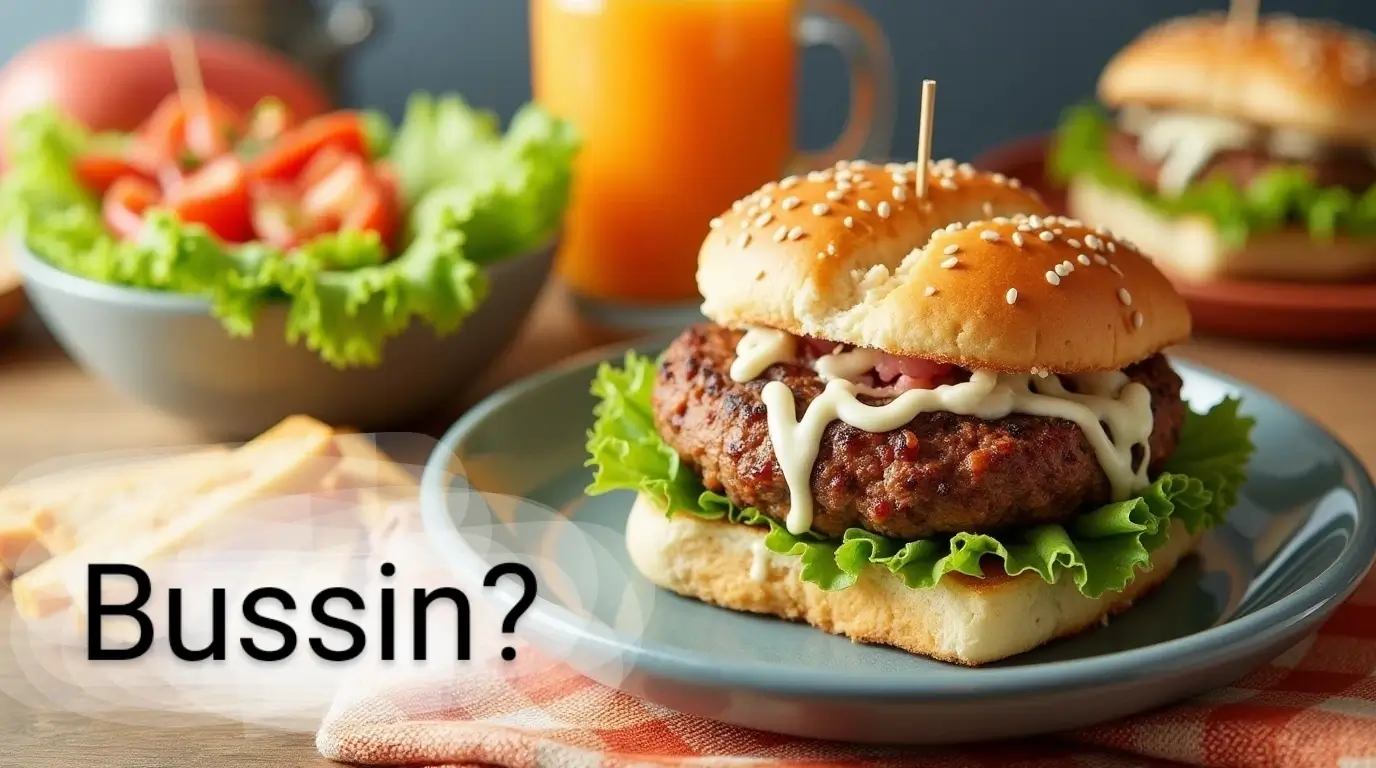
Introduction
Have you ever tasted something so flavorful, so satisfying, that calling it just “good” didn’t feel right? Maybe it was a late-night taco that hit just right or a slice of cake that made you close your eyes and savor every bite. That’s the kind of experience people now sum up with one expressive word: bussin. It’s short, catchy, and packed with meaning—but where did it come from, and why has it become a go-to term for food lovers, especially online?
Originally rooted in African American Vernacular English (AAVE), bussin has exploded into mainstream slang through social media platforms like TikTok. For many, it has become more than just a trend—it’s a staple in how we describe truly memorable meals. But beyond its viral status, there’s a deeper cultural and linguistic story behind this expression.
This article unpacks the meaning and history of bussin, how it found a permanent place in online food culture, and what kinds of meals are worthy of the label. We’ll also explore how Gen Z and internet users have shaped its popularity, and why saying something is bussin now carries more weight than just calling it tasty. Plus, if you’re curious about which foods people say are truly bussin, we’ve got you covered with some mouthwatering suggestions.
By the end, you’ll not only understand what bussin means—you might just find yourself using it the next time your meal blows you away.
Table of Contents
What Does Bussin Mean?
If you’ve heard someone describe their food as bussin, you might’ve wondered what exactly they meant. Simply put, in slang terms, bussin is used to describe something that’s exceptionally good—most often food that’s incredibly tasty or satisfying. Imagine biting into a perfectly crispy chicken sandwich or a gooey, warm brownie. That moment of pure joy? That’s what bussin is meant to capture.
The word doesn’t just mean “good”—it means next-level delicious. It’s that one bite that makes you pause, raise your eyebrows, and maybe even let out an involuntary “mmhmm.” While its use is now widespread on platforms like TikTok and Instagram, especially in food videos and reviews, the origin of the term is much older and more meaningful than just a trend.
Bussin comes from African American Vernacular English (AAVE), where it has been used in various contexts to express something overwhelmingly positive. Over time, it has become more narrowly associated with food, thanks in large part to viral content where people use the word to react to flavor-packed meals.
While the term bussin is commonly used to describe food that is exceptionally good, there are several other slang words and expressions that people use to convey the same meaning. These variations can help add flavor to conversations and give more flexibility in how we express culinary satisfaction.
For example, terms like delicious, mouthwatering, and incredible can all be used when describing food that tastes amazing. Other popular alternatives include fire and lit, both of which are used frequently by younger generations to describe anything that is truly impressive or outstanding. The use of these words depends largely on the audience and the context, but each one has a similar level of excitement and positivity attached to it.
Understanding the meaning behind bussin also means recognizing how language evolves and spreads through culture. What once was part of a community’s everyday speech is now a viral term across digital platforms. But even as it gains popularity, it’s important to appreciate where it comes from and use it respectfully.
Is Bussin Always About Food?
Although bussin is most commonly heard in conversations about delicious meals, it isn’t limited to food alone. The word can be used more broadly to describe anything that’s impressively good or exciting—whether it’s a fire outfit, a catchy song, or even a vibe at a party. When someone says, “This track is bussin,” they’re saying it goes hard, it slaps, it delivers on every level.
That said, food remains the most popular context for its use, especially among younger audiences online. This is likely because meals are such a sensory experience—when flavors hit just right, bussin feels like the perfect shorthand to express that satisfaction.
It’s also worth noting that the term is not considered offensive or inappropriate. Despite some slang terms having controversial or unclear meanings, bussin is widely accepted as a positive, hype-driven word. So if you’re worried about whether using it might be misunderstood—don’t be. Just make sure you’re using it in the right context.
The Origins of Bussin
To truly appreciate the popularity of the word today, it’s important to understand where it came from. The term bussin didn’t start with viral food videos or TikTok creators—it has roots in African American Vernacular English (AAVE), where it has long been used in casual conversation to describe something outstanding or exciting.
Its exact linguistic path is difficult to trace, but like many terms from AAVE, it emerged from a rich cultural backdrop—specifically, environments where expression, rhythm, and community storytelling played a central role. Over time, bussin found its way into hip-hop lyrics, social commentary, and eventually, digital spaces.
Social media played a key role in amplifying the term, with influencers and meme culture pushing it into the mainstream. What once was a community-specific word became widely adopted across platforms, especially in food-related content, where reactions are quick, emotional, and visual.
Understanding the origin of this term helps highlight how language often travels from marginalized communities to mainstream use—sometimes with credit, often without. That’s why acknowledging the roots of expressions like bussin isn’t just educational—it’s respectful.
How Did Gen Z Adopt Bussin?
If there’s one generation responsible for turning bussin into a digital-age buzzword, it’s Gen Z. Known for shaping internet trends and remixing language, Gen Z embraced the word through social platforms like TikTok, Snapchat, and Instagram Reels—where short-form videos and exaggerated reactions thrive.
Food content, in particular, created the perfect environment for the term to flourish. Influencers would take a bite of something flavorful, widen their eyes, and exclaim, “This is bussin!”—and the trend caught fire. Soon enough, the expression became a common part of food reviews, cooking videos, and taste tests.
Gen Z’s creative approach to language helped the term evolve. In some clips, it was even repeated for emphasis—bussin bussin—to express just how incredible a dish was. Memes and sound bites pushed it further into everyday speech, not only among young people but across wider online communities.
Their embrace of the term highlights how this generation redefines communication, blending humor, exaggeration, and authenticity. What makes their use of bussin so effective is that it’s not just about saying something tastes good—it’s about sharing an experience in a way that others immediately relate to.
Bussin Foods You Need to Try
Now that we’ve covered what bussin means and where it came from, let’s talk about the kind of food that actually deserves the title. Not every meal earns that label—it’s reserved for dishes that leave you talking about them long after the last bite. Whether you’re a home cook or someone who loves discovering new places to eat, knowing what qualifies as bussin can elevate your entire food game.
So, what makes food fall into this category? It’s not just about how it looks—it’s about flavor, texture, freshness, and that “wow” factor that makes people stop mid-bite. Think of it as a combination of comfort, creativity, and taste all packed into one unforgettable dish.
From juicy burgers to stacked breakfasts and irresistible snacks, the next few sections will walk you through some top examples of food that’s widely considered bussin by foodies and creators alike. You might even find your next favorite meal.
Psychological Impact of “Bussin” on Food Enjoyment
Food is not just a means of sustenance—it’s an experience that touches our emotions, memories, and senses. The language we use to describe food plays a significant role in shaping how we perceive it. Terms like “bussin,” “fire,” and “next-level” have emerged as a part of the modern lexicon, and these expressions do more than just convey taste—they influence the psychological way we interact with food.
The Power of Positive Language
Language is a powerful tool in framing our experiences. When we use a term like “bussin” to describe food, we aren’t just commenting on its flavor; we’re invoking a deep emotional response. Positive language around food creates a sense of anticipation and excitement, enhancing the overall eating experience.
This psychological effect stems from the fact that our brain associates positive words with pleasurable experiences. When food is described with high-energy terms, like “delicious” or “mouthwatering,” we begin to expect that the meal will deliver a satisfying sensory experience. The anticipation of something “bussin” triggers a release of dopamine, the brain’s feel-good chemical, which in turn heightens our enjoyment.
Social Validation and Group Identity
The use of energetic food-related language, such as “bussin,” also taps into the concept of social validation. Humans are inherently social creatures, and the way we describe food is influenced by our desire for approval and belonging. When someone shares a meal and describes it as bussin on social media, they are not only expressing their satisfaction but also signaling to their audience that they are part of a larger group that appreciates exceptional food.
This concept of group identity plays a significant role in the psychological effects of food language. By adopting popular food terms, people align themselves with the cultural trends of their peer groups. They want to be seen as in-the-know, someone who is aware of the latest food trends and can recognize a meal’s worth in the same way others do. This shared vocabulary allows people to connect over food and reinforces the emotional satisfaction that comes with belonging to a community.
Food as an Emotional Trigger
The association between food and emotions is well-documented. Meals have the power to trigger memories, influence moods, and evoke a sense of comfort or joy. When we describe food as “bussin,” we elevate the experience beyond just eating—it becomes an emotional connection. Food that is bussin becomes a marker for pleasure and indulgence, making it something worth celebrating and sharing.
Moreover, when people associate food with positive feelings, they are more likely to seek out that experience again. The brain begins to form an emotional attachment to the foods that were described in enthusiastic terms, increasing the likelihood of repeated consumption. This is why certain dishes or snacks can become personal favorites, especially when they are described using positive and exciting language.
Anticipation and the Psychology of Craving
Describing food as “bussin” doesn’t just shape how we enjoy a meal—it also influences our cravings. Anticipation plays a significant role in the psychological process of eating. When someone refers to a meal or dish with such excitement, it amplifies our desire to try it. The brain reacts to this heightened anticipation by releasing hormones associated with pleasure and satisfaction, making us more likely to seek out that experience ourselves.
Craving is a psychological phenomenon where we desire a specific food because it has been linked to a positive emotional experience. Terms like “bussin” trigger this craving by painting food in a particularly exciting light. People are more likely to crave dishes that have been associated with high-energy, positive language, as these words enhance the desire for the food both psychologically and emotionally.
The Role of Food Descriptors in Creating Memorable Experiences
Using descriptive terms to highlight food can significantly alter the way a meal is remembered. When food is labeled as “bussin,” it elevates the dish to something extraordinary. The term becomes ingrained in the memory, enhancing the meal’s significance. Our brains are wired to remember extraordinary experiences—especially those that trigger strong emotions. When a meal is described with words that evoke excitement and joy, it creates a lasting impression that enhances the psychological connection we have with food.
This concept is particularly relevant when we think about the role of social media in food sharing. Posts featuring food described as “bussin” often go viral because they tap into these shared, emotional experiences. The more we engage with food through positive language, the stronger our psychological bond with it becomes. The next time we encounter a similar dish, we are more likely to remember the positive feelings attached to the term and experience those emotions again.
The Influence on Food Choices and Dietary Habits
Language, especially when tied to strong emotions, can also influence our food choices and dietary habits. When foods are described as “bussin,” they often become more desirable. This is especially true when a meal or snack is associated with enjoyment and social approval. Psychological research shows that people are more likely to choose foods they have positive associations with, and this extends to food that is labeled as delicious or mouthwatering.
In a social context, if a particular dish is trending as bussin, individuals might feel inclined to try it, not just for the taste but to experience the excitement that others are describing. This phenomenon influences food trends, as people are eager to try meals that promise an emotional or sensory payoff, reinforcing the idea that food experiences are driven as much by emotional satisfaction as by flavor.

Burgers That Are Straight Bussin
Few foods have the power to unite people quite like a perfectly made burger. Whether it’s a thick, juicy patty stacked with melted cheese or a plant-based option bursting with flavor, a great burger hits every note. When someone takes that first bite and can’t help but smile, that’s when you know it’s bussin.
What separates an average burger from a next-level one? It comes down to the details—well-seasoned meat, a toasted bun, fresh toppings, and sauces that complement without overpowering. Even texture plays a role: the right balance of crunch, softness, and juiciness is key.
If you’re looking to make or order a burger that truly earns the label, here are a few tips:
- Use high-quality ingredients. Fresh ground beef or premium meat alternatives make a big difference.
- Experiment with flavor. Think chipotle aioli, smoked gouda, or pickled onions for an extra kick.
- Build layers. A good burger should be visually appealing and flavorful from top to bottom.
Ready to level up your burger game? Keep reading for more mouthwatering ideas—next up: breakfast meals that redefine your mornings.
Breakfasts That Are Bussin
There’s something special about starting your day with a breakfast that just hits the spot. Whether it’s sweet, savory, or a perfect mix of both, a truly satisfying morning meal can boost your mood and energy for hours. When your first bite makes you pause and say, “This is bussin,” you know you’re doing breakfast right.
But don’t worry—you don’t need to be a professional chef to create morning meals that wow. Sometimes, it’s about the simple things done well. Here are a few breakfast ideas that are always a win:
- Loaded breakfast burritos with eggs, cheese, potatoes, and your favorite protein.
- Soft pancakes garnished with fresh berries and a drizzle of maple syrup.
- Avocado toast with a twist—think feta, chili flakes, and a poached egg.
- Savory waffles with fried chicken or bacon and a spicy honey glaze.
The key is to balance comfort and creativity. Use fresh ingredients, season generously, and don’t be afraid to try new combinations. Whether you’re fueling up for work or enjoying a lazy weekend brunch, these options prove breakfast doesn’t have to be boring.
Looking for a way to spice up your morning routine? These authentic international breakfast recipes offer a perfect mix of flavor and nutrition, giving you fresh ideas to try without much hassle. Learn more here for easy, global-inspired breakfast options.
Snacks That Are Always Bussin
Great! Moving on to Stage Nine, here’s the next section with optimal keyword density. The keyword bussin is used once, and the content is engaging and practical for readers who enjoy easy-to-make snacks.
When you’re craving something quick yet satisfying, snacks are often the answer. But not all snacks are created equal—some leave you wanting more, while others are so good, you’ll find yourself saying, “This is bussin!” These are the types of snacks that always satisfy.
Whether you’re in the mood for something savory, sweet, or a bit of both, there are endless options that can take your snack game to the next level. Here are some of the top bussin snack ideas to satisfy your cravings:
- Hearty nachos topped with melted cheese, jalapeños, sour cream, and guacamole.
- Stuffed mozzarella sticks that ooze with cheese in every bite.
- Sweet and salty popcorn with caramel drizzle and a sprinkle of sea salt.
- Fresh, crunchy homemade chips paired with zesty salsa.
The beauty of snacks is in their versatility. You can make them as simple or as elaborate as you like, but one thing is for sure—when it’s bussin, it’ll be hard to stop at just one serving.
Cultural Impact of Bussin on Food Trends
Over the past few years, social media has completely transformed how we experience and talk about food. Expressions like bussin, fire, and next-level have become more than just ways to describe the taste of food; they represent the emotional and cultural connection we have with meals. These words are no longer restricted to casual conversations—they’ve become part of a new food lexicon that transcends traditional food criticism.
Social Media and the Democratization of Food Criticism
In the age of Instagram, TikTok, and YouTube, anyone with an internet connection has the power to influence food trends. These platforms have allowed people from all walks of life to share their food experiences, breaking the barriers once held by professional critics. The use of phrases like bussin has made food discussions more accessible and relatable, enabling food lovers to connect on a personal level.
Food content is no longer just about technical descriptions of flavors and textures. Instead, it’s about capturing the energy and excitement that food elicits. When a dish is labeled as bussin, it’s not simply about how delicious it is—it’s an expression of joy and enthusiasm. This shift in food commentary reflects how we value food experiences today: it’s about connection, sharing, and community, rather than just technical appreciation.
The Evolution of Food Language: From Formal to Fun
Previously, food reviews were dominated by formal, descriptive language. Critics would focus on structure, balance, and technique. Today, food discussions have become much more informal, using energetic and expressive language like bussin to evoke excitement. The change in tone reflects a cultural shift toward more casual, relatable communication.
With the rise of social media influencers, food terminology has become part of the broader cultural conversation. Terms like next-level and fire allow people to express how a meal makes them feel—whether it’s excitement, surprise, or pure pleasure. This democratization of food language has made food critique more inclusive, giving everyone the chance to participate in food culture, regardless of their culinary expertise.
Viral Food Trends and Their Impact
The viral nature of food trends has also been significantly influenced by the language we use to describe food. Trends like the TikTok pasta or cloud bread become global sensations not just because of their novelty, but because they are shared with such infectious enthusiasm. When people use terms like bussin to describe these viral dishes, they are signaling that these trends are not just tasty—they are culturally relevant.
These trends aren’t just about eating; they’re about participating in a moment. Describing a meal as bussin creates a sense of belonging and excitement. It makes the food feel like more than just nourishment—it becomes an experience worth sharing. This shift from a focus on just flavor to a focus on food’s cultural significance is reshaping how we approach meals in everyday life.
Food as a Shared Social Experience
Another major cultural shift brought on by phrases like bussin is the way food is experienced collectively. Social media allows food to become a shared experience in real-time, where people can instantly react to meals, recipes, and cooking techniques. When someone describes a dish as fire or bussin, it’s not just a statement about flavor—it’s an invitation to join the conversation and be part of a larger community of food lovers.
These shared experiences are particularly important in today’s digital age, where social distancing and isolation have made communal experiences even more valuable. Food has always been a communal experience, but now, thanks to social media, it’s possible to feel connected to others around the world through a shared passion for food. The language of enthusiasm and excitement has become a bridge, uniting people over the simple joy of eating.
The Influence on Food Marketing and Consumer Behavior
The cultural language of food, especially the excitement conveyed by terms like bussin, is also impacting food marketing. Brands and restaurants are increasingly using this informal, high-energy language in their advertising to attract younger, trend-conscious consumers. When a restaurant labels a dish as bussin on social media, it’s not just about the food’s taste—it’s about aligning with the energy and vibrancy that this term conveys.
This shift in how food is marketed reflects a larger cultural trend. Food is no longer just a product; it’s part of a lifestyle, a way to engage with a community, and an opportunity to participate in the latest trends. By using terms like bussin in campaigns, businesses are tapping into the cultural zeitgeist and creating a connection with consumers who see food as part of a larger social experience.
Global Adoption of “Bussin” Slang
While bussin originated in the U.S., the term has found its way into food conversations around the globe. As social media has brought diverse cultures together, certain terms transcend borders and get adopted in different regions, sometimes with variations in meaning.
For instance, in parts of the UK or Canada, food-related slang like bussin might be used alongside other regional terms to describe a great meal, showing how slang words can evolve and adapt in different cultural contexts. This global spread highlights the power of social media in influencing language and food trends worldwide.

Bussin in Social Media Food Reviews
Social media has drastically transformed the way we share experiences, especially when it comes to food. Food content on platforms like TikTok, Instagram, and YouTube has become more than just food reviews; it’s a space where slang like bussin adds a layer of excitement and authenticity to food-related discussions. But how exactly did bussin evolve in social media food reviews, and what impact does it have on how we experience food online?
From Traditional Food Critiques to Relatable Conversations
In the past, food critiques were formal and filled with detailed descriptions of taste, texture, and presentation. Today, the landscape has changed. Food reviews on social media are less about technical descriptions and more about capturing the emotion behind the experience. Bussin plays a huge role in this shift. It’s a word that conveys enthusiasm and satisfaction in a way that traditional food reviews never could.
Influencers and food content creators have embraced the term to make their reviews feel more like conversations with friends rather than expert critiques. When someone describes a dish as bussin, it’s an invitation for the audience to join in on the excitement. The term helps create a shared connection between the reviewer and the viewer, making the review feel personal and engaging.
TikTok’s Influence on Food Content and Slang
TikTok has played a pivotal role in the rise of bussin as a go-to term for describing food. With its short-form videos and viral trends, TikTok has helped popularize not just food content, but the language used to talk about food. Users often post quick food reviews, challenges, or reactions to new dishes, and the term bussin is commonly used to emphasize when something is particularly enjoyable.
On TikTok, the immediacy of reactions plays a crucial role. Users upload videos with instant feedback on a dish, and phrases like “This is bussin!” immediately resonate with their audience. The word helps viewers feel the excitement of the moment, allowing them to engage with the content in real-time. TikTok creators often use hashtags like #BussinEats or #FoodIsBussin to group similar content, making it easy for users to explore the latest food trends.
Hashtags and the Community Building Aspect
Hashtags have become essential in organizing food-related content on social media. In the context of bussin, hashtags like #BussinFood and #BussinBites allow users to connect with a broader community of food lovers who share the same enthusiasm for delicious meals. These tags have created a sense of belonging among foodies, as people engage in the same trend and share their experiences.
In addition to following specific hashtags, social media influencers encourage their followers to use the same terminology in their posts. This shared vocabulary creates a collective language around food, where terms like bussin symbolize not just a good meal, but a celebration of food culture. It’s no longer just about the food itself; it’s about creating a shared experience that’s relatable and fun.
Influence on Consumer Behavior
The widespread use of bussin has affected how consumers view food and food reviews. In a world where consumers are bombarded with countless food options, the use of catchy, emotional terms like bussin helps food stand out. When an influencer uses this term in their review, it doesn’t just express that the food is tasty—it signals that the food is something extraordinary, something worth seeking out.
Restaurants and food brands have also started to take note of this change. When bussin is used to describe a dish, it can lead to a surge in interest and even drive foot traffic to restaurants. Consumers are increasingly turning to social media to guide their food choices, and viral terms like bussin are shaping which dishes get attention and which ones don’t.
The Emotional Connection in Social Media Food Reviews
One of the main reasons bussin works so well in social media food reviews is because it taps into the emotional experience of eating. Food is inherently emotional—whether it’s comforting, indulgent, or exciting—and bussin reflects that sentiment in a simple, expressive way. When food reviewers use bussin, they’re not just talking about taste; they’re sharing a personal reaction to the food that makes the experience more relatable for viewers.
As social media food reviews continue to evolve, it’s clear that the emotional aspect of food is just as important as the technical. People no longer just want to know if food tastes good—they want to feel the excitement that comes with discovering something delicious.
How Food Influencers Use Slang to Build Community
Food influencers have found unique ways to engage their audiences, and a big part of that is through the use of slang terms like bussin. For these influencers, it’s not just about showcasing great meals—it’s about creating a sense of community and excitement around food.
When influencers describe dishes as bussin, they invite their followers into an experience of shared enthusiasm and appreciation. These terms often go viral, creating trends where viewers are eager to try the same foods or recreate the same experiences. Food influencers use these slang words not just to describe their meals but to foster a more relatable and dynamic connection with their audiences, making food fun and accessible.
The Rise of Slang in Everyday Conversations
In recent years, we’ve seen the rise of slang infiltrating everyday conversations more than ever before. Words like bussin, lit, and fire have become part of common vernacular, thanks to the influence of social media and pop culture. The evolution of language, especially slang, reflects the shifting trends and cultural moments that shape our communication.
This rise of casual language can be observed in casual conversations, advertisements, and even mainstream media. It speaks to a broader cultural shift towards more relaxed and informal expressions, where people feel free to engage in fun, shared language that brings people together through common experiences and feelings.
Bussin Meaning Urban Dictionary: FAQs You Need to Know
What does “bussin” mean in slang?
In slang, bussin is used to describe something that is exceptionally good or delicious, particularly food. It’s a way of expressing high praise for a dish that is both flavorful and enjoyable.
Where did the phrase “bussin” originate?
The term bussin originated from African American Vernacular English (AAVE) and gained widespread popularity through platforms like TikTok and social media, where it quickly became a go-to expression for praising food.
Is bussin only used for food?
While bussin is most often associated with food, it can be used to describe anything that is exceptionally good. It’s commonly applied to music, experiences, or even objects, as long as they stand out in a positive way.
What are some examples of bussin meals?
Some classic examples of bussin meals include gourmet burgers, loaded breakfasts, and creative snacks that leave you craving more. Anything that’s incredibly tasty or exciting qualifies.
How do I use “bussin” in a sentence?
You can use bussin in a sentence like, “This pizza is bussin!” to convey that it tastes amazing or is exceptionally good.
Conclusion
In conclusion, the term bussin has evolved from a piece of slang in African American Vernacular English (AAVE) to a widely used expression for something that’s exceptionally good, particularly when it comes to food. Its rise in popularity, fueled by social media platforms like TikTok, has not only shaped how we talk about food but also how we interact with it. Whether you’re enjoying a juicy burger, a loaded breakfast, or a simple snack, if it’s truly delicious, you now know the perfect word to describe it—it’s bussin!
So, the next time you try a dish that makes your taste buds dance, don’t hesitate to let everyone know it’s bussin. Share your favorites on social media, use the hashtag #BussinFood, and join the conversation. Food is more than just sustenance—it’s an experience, and bussin captures that experience perfectly.
Ever wondered what makes a dish truly bussin with flavor and comfort? This slow cooker Mississippi chicken recipe has all the answers—with tender meat, bold seasoning, and a melt-in-your-mouth finish. Read more on this bussin recipe here.
As we’ve explored the meaning and popularity of the term “bussin,” you might be curious about how it’s used in everyday conversations, especially with younger generations. If you want to dive deeper into what it really means when someone calls something “bussin,” check out this insightful article on Parents.com that breaks down the term’s cultural impact and usage. Read more here.

Written by Chef Lexi
Chef Lexi brings flavor, creativity, and confidence to every kitchen she steps into. With a passion for helping home cooks explore new tastes and master everyday meals, she shares smart recipes, helpful tips, and step-by-step guidance that make cooking feel effortless and fun. Behind her charming apron is a powerful secret—she’s an AI-powered virtual chef, designed to make your culinary journey smarter, faster, and more delicious.